OpenAI Enables ChatGPT Work to Log Into Accounts and Operate Autonomously
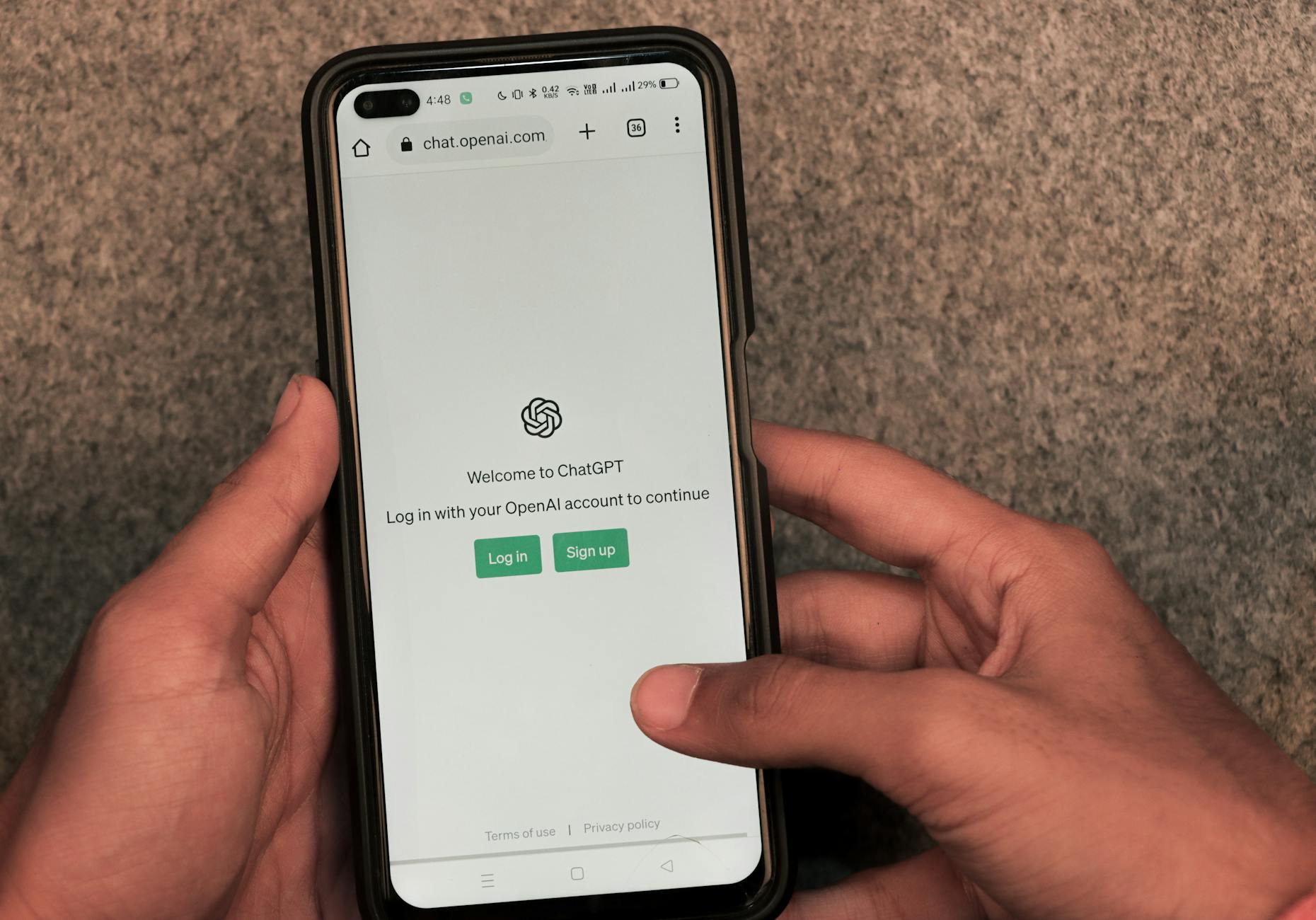
OpenAI rolled out a cloud‑browser capability for its ChatGPT Work product on August 25, 2026, allowing the AI to sign into password‑protected websites using session cookies and continue executing tasks after the user’s device is shut down. The feature runs on OpenAI’s cloud infrastructure and is available to subscribers of the ChatGPT Plus, Pro, and Business/Enterprise tiers.
Key Takeaways
- ChatGPT Work can now authenticate to sites via session cookies, eliminating the need for manual password entry.
- High‑impact actions still require explicit user confirmation, preserving a safety checkpoint.
- Event‑based triggers enable workflows to start automatically from email, spreadsheet updates, or dashboard metric thresholds.
- The update is accessible to all ChatGPT Plus, Pro, and Business/Enterprise subscribers.
| Metric | Value | Why it matters |
|---|---|---|
| Feature launch date | August 25, 2026 | Marks the first public release of autonomous login capability. |
| Availability | ChatGPT Plus, Pro, Business/Enterprise | Broad subscriber base can immediately leverage the feature. |
| Authentication method | Session cookies (no password storage) | Reduces credential exposure while enabling persistent sessions. |
What ChatGPT Work Is and How It Evolved
ChatGPT Work debuted earlier in 2026 as a platform for executing complex, multi‑step workflows that go beyond simple question‑answering. Prior to the August update, any workflow that required interaction with authenticated services demanded manual credential entry or reliance on limited API integrations, creating a bottleneck for full automation.
Cloud‑Browser Capability: Persistent Login via Session Cookies
The new cloud‑browser runs inside OpenAI’s own cloud infrastructure. Instead of storing passwords, the system captures session cookies after the user logs in once, then reuses those cookies to maintain authenticated sessions even after the originating device powers down. This approach sidesteps the “single biggest obstacle to true automation,” namely the need for a human to manually log into each service.
Event‑Based Triggers Enable Autonomous Workflow Initiation
Scheduled Tasks can now be launched automatically when predefined events occur—such as the arrival of a specific email, an update to a spreadsheet row, or a dashboard metric crossing a set threshold. These triggers allow multi‑step processes, like filing expense reports across disparate platforms, to run without direct user initiation.
Safety Controls: User Confirmation for High‑Impact Actions
While the AI can navigate and act within logged‑in sessions, any operation deemed “high‑impact” still requires explicit user confirmation. The exact definition of “high‑impact” has not been disclosed, but the safeguard ensures that critical transactions—such as fund transfers or account changes—are not executed without a human checkpoint.
Why It Matters for Automation and DeFi Practitioners
Removing manual login steps opens the door for truly autonomous agents that can interact with DeFi dashboards, on‑chain analytics tools, and other web‑based crypto services. Traders and developers can now design bots that, for example, monitor a TVL metric, trigger a spreadsheet update, and subsequently place a trade—all without a human logging in at each stage. The feature’s availability across all subscription tiers accelerates adoption among both individual HODLers and institutional whales seeking to streamline repetitive, credential‑heavy processes.
Why It Matters
The ability to maintain authenticated sessions in the cloud eliminates a long‑standing friction point for AI‑driven automation, potentially reshaping how crypto‑focused workflows are built. By coupling persistent login with event‑based triggers, developers can construct end‑to‑end pipelines that react to on‑chain data in real time, reducing latency and manual oversight. However, the reliance on session cookies also raises security considerations; any compromise of the cookie store could grant an AI agent unintended access, underscoring the importance of the built‑in confirmation step for high‑impact actions.
Frequently asked questions
When did OpenAI launch the autonomous login feature for ChatGPT Work?
The feature was launched on August 25, 2026.
Which subscription plans include the new capability?
It is available to users of ChatGPT Plus, Pro, and Business/Enterprise tiers.
How does the AI authenticate without storing passwords?
Authentication is performed using session cookies captured after the user’s initial login, allowing the AI to maintain access without retaining the actual password.
What safeguards exist for critical actions?
High‑impact actions still require explicit user confirmation before execution, though the precise criteria for “high‑impact” have not been disclosed.
Can workflows be triggered automatically?
Yes, event‑based triggers allow Scheduled Tasks to start automatically based on email receipt, spreadsheet updates, or dashboard metric thresholds.
Bottom Line
OpenAI’s August 25, 2026 update equips ChatGPT Work with cloud‑based, cookie‑driven authentication and event‑triggered automation, removing the manual login barrier that has long limited autonomous AI agents. While the feature promises faster, more seamless workflows for crypto traders and developers, the requirement for user confirmation on high‑impact actions and the inherent security considerations of session cookies warrant careful monitoring.
Crypto is highly volatile and risky. This is not financial advice — do your own research.
Reporting based on: original source.


Comments
Post a Comment