Saudi Arabia reroutes oil exports amid Red Sea shipping threats
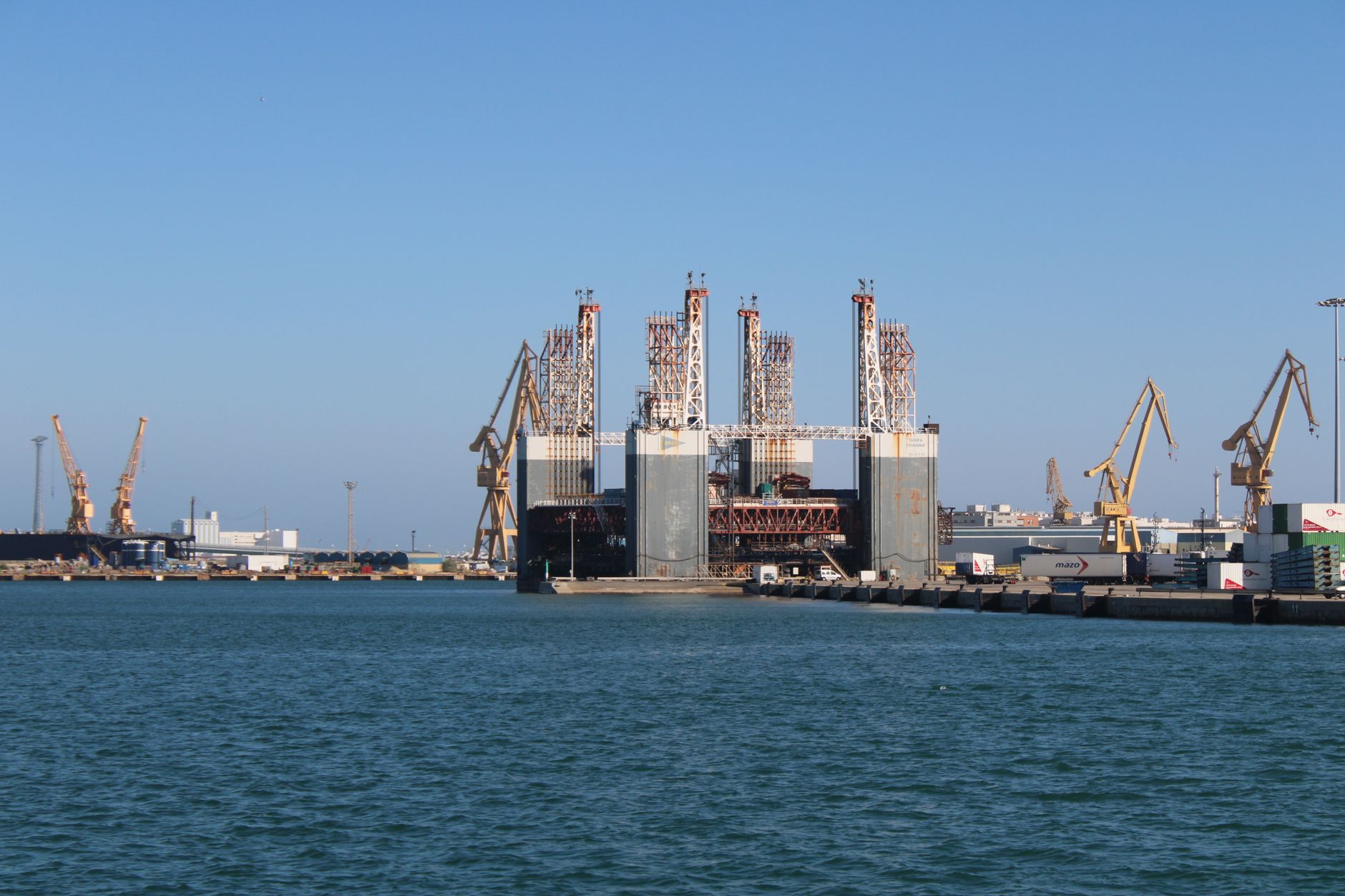
Saudi Aramco shifted crude shipments from the Red Sea port of Yanbu to alternative terminals and pipelines after Houthi forces imposed a maritime embargo on July 20 2026 and earlier Iranian pressure closed the Strait of Hormuz in March 2026, forcing longer, costlier routes that could tighten global supply.
Key Takeaways
- Iran’s March 2026 closure of the Strait of Hormuz halted roughly 6 MMbpd of Saudi crude, prompting a rapid ramp‑up to about 5 MMbpd through the East‑West pipeline to Yanbu.
- Houthi attacks on the Bab el‑Mandeb Strait on July 20 2026 cut Saudi flows through the Red Sea, driving a 33 % increase to ~1.1 MMbpd toward Egypt’s Ain Sukhna terminal.
- SUMED pipeline usage jumped to over 1.9 MMbpd in August 2026, approaching its operational ceiling.
- Asian buyers now face an extra 30‑plus days of transit as tankers detour around the Cape of Good Hope.
| Metric | Value | Why it matters |
|---|---|---|
| Strait of Hormuz closure | March 2026 | Removed >6 MMbpd of Saudi crude from the primary Gulf route. |
| Yanbu peak loading | ≈5 MMbpd (end‑March 2026) | Showed the East‑West pipeline’s rapid capacity utilization. |
| Houthi maritime embargo | July 20 2026 | Triggered immediate diversion of Saudi crude away from the Red Sea. |
| SUMED pipeline throughput | >1.9 MMbpd (August 2026) | Approaches operational limits, constraining further rerouting. |
Background: Hormuz closure and the initial Yanbu shift
In March 2026, Iran effectively sealed the Strait of Hormuz amid heightened U.S.–Israel tensions, cutting off the Gulf corridor that routinely moved more than 6 MMbpd of Saudi crude. Saudi Aramco responded by channeling oil through its East‑West pipeline to the Red Sea terminal at Yanbu, lifting flows to roughly 4.4 MMbpd and peaking near 5 MMbpd by month‑end. The pipeline, built for a nominal 7 MMbpd, instantly became the kingdom’s primary export artery.
Interim relief and the return of Gulf routes
A tentative U.S.–Iran agreement later that spring eased some Gulf pressure, allowing a partial re‑establishment of traditional routes via Ras Tanura. By June, Yanbu loadings fell to about 2.39 MMbpd as shipments diversified back toward the Gulf.
Second front: Houthi maritime embargo
On July 20 2026, Houthi forces announced a maritime embargo targeting Saudi vessels and began striking ships in the Bab el‑Mandeb Strait. The immediate effect was a sharp drop in Saudi crude transiting the Red Sea. Aramco compensated by increasing northward shipments: volumes to Egypt’s Ain Sukhna terminal, linked to the Mediterranean via the SUMED pipeline, rose roughly 33 % to about 1.1 MMbpd. Consequently, SUMED usage surged to over 1.9 MMbpd in August 2026, a stark rise from under 0.65 MMbpd just two months earlier.
Cost of the long‑haul: Cape of Good Hope detour
Asian importers now face tankers that must skirt Africa’s southern tip rather than cut through the Bab el‑Mandeb and Indian Ocean. This reroute adds more than 30 days to delivery schedules, inflating freight costs and tightening supply windows for markets that rely on just‑in‑time logistics.
Strategic implications for Asian consumers
Saudi Arabia supplies roughly one‑tenth of the world’s crude. The near‑capacity operation of the SUMED pipeline limits further diversion, meaning Asian economies—Japan, South Korea, China—must lean more heavily on strategic petroleum reserves. While reserves can buffer short‑term disruptions, sustained longer‑haul deliveries erode the buffer’s effectiveness and could pressure spot prices.
Why it matters
The confluence of Gulf chokepoints and Red Sea threats forces Saudi exporters onto costlier, slower routes, tightening global oil supply at a time when demand remains robust. Traders should monitor SUMED pipeline utilization, Cape of Good Hope freight rates, and any diplomatic shifts that could reopen the Hormuz or Bab el‑Mandeb corridors.
Frequently asked questions
What triggered the initial rerouting of Saudi crude to Yanbu?
Iran’s March 2026 closure of the Strait of Hormuz cut off the Gulf’s primary export lane, prompting Aramco to shift oil through the East‑West pipeline to the Red Sea terminal at Yanbu.
How much crude is now moving through the SUMED pipeline?
SUMED pipeline throughput reached over 1.9 MMbpd in August 2026, up from less than 0.65 MMbpd two months earlier.
What is the impact of the Cape of Good Hope detour on delivery times?
The detour adds more than 30 days to the transit schedule for Asian-bound tankers, extending the supply chain and raising freight costs.
How does the rerouting affect global oil supply?
With Saudi Arabia supplying about 10 % of worldwide crude, the combined constraints on Hormuz, the Red Sea, and SUMED limit flexibility, potentially tightening global supply and supporting higher spot prices.
What should traders monitor moving forward?
Key indicators include SUMED pipeline capacity utilization, any diplomatic developments affecting Hormuz or Bab el‑Mandeb, and freight rate trends for the Cape of Good Hope route.
Bottom Line
Saudi Arabia’s dual‑front logistics challenge—Hormuz closure and Houthi maritime embargo—has forced a costly shift to longer routes and near‑maxed SUMED usage, tightening global oil supply and extending delivery windows for Asian markets. Traders should keep a close eye on pipeline capacity and geopolitical developments that could reopen the blocked chokepoints.
Crypto is highly volatile and risky. This is not financial advice — do your own research.
Reporting based on: original source.


Comments
Post a Comment