Bitcoin slides to $83,500 as Treasury volatility spikes, yet bond‑yield rise stays uncoupled
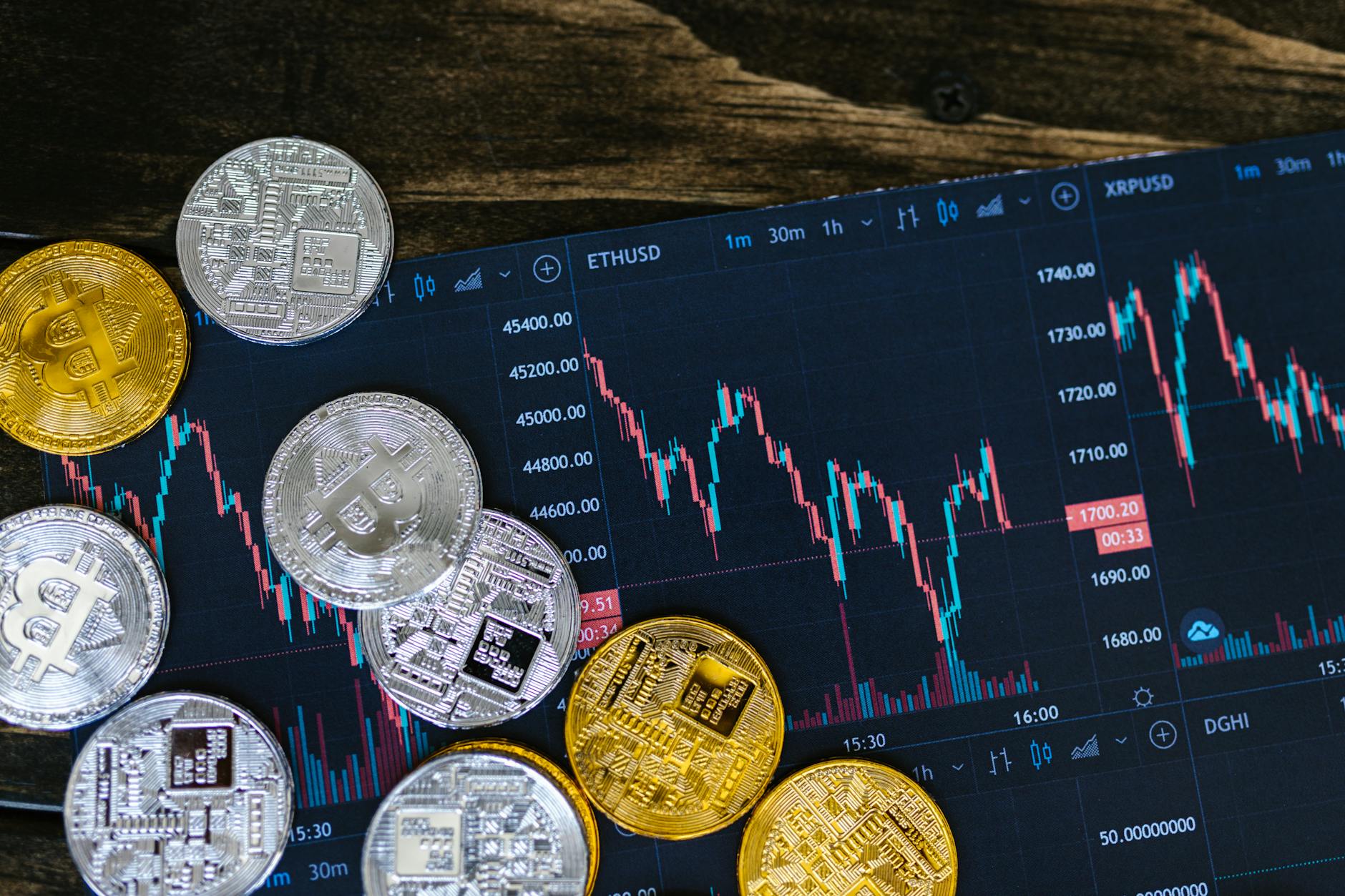
On Wednesday Bitcoin slipped from $87,200 to $83,500 after the MOVE Index, a gauge of Treasury‑market volatility, jumped 21 %.
Key Takeaways
- Bitcoin fell $3,700 amid a 21 % surge in Treasury volatility.
- The dip occurred while long‑term government‑bond yields continued to rise.
- Data from CoinDesk show little consistent correlation between Bitcoin and long‑term yields.
- Lacie Zhang of Bitget Wallet and Robin Brooks of the Brookings Institution provided expert context.
| Metric | Value | Why it matters |
|---|---|---|
| Bitcoin price (high) | $87,200 | Sets the recent ceiling before the pull‑back. |
| Bitcoin price (low) | $83,500 | Marks the intraday trough linked to volatility spike. |
| MOVE Index change | +21 % | Signals heightened uncertainty in Treasury markets. |
| Long‑term bond yields | Rising (no specific figure) | Demonstrates that Bitcoin’s price movement is not tracking yield trends. |
| Key analysts | Lacie Zhang (Bitget Wallet), Robin Brooks (Brookings) | Provide institutional perspective on the decoupling. |
Event Overview
The 21 % surge in the MOVE Index on Wednesday coincided with Bitcoin’s $3,700 slide, taking the flagship cryptocurrency from $87,200 down to $83,500. The price movement unfolded despite a backdrop of climbing long‑term government‑bond yields, a macro condition that historically has been watched closely by on‑chain analysts.
Treasury‑Market Volatility as a Trigger
The MOVE Index measures implied volatility across the U.S. Treasury market. A 21 % jump indicates a rapid escalation in market uncertainty, often prompting risk‑off behavior among traders. In this instance, the heightened volatility appears to have nudged Bitcoin lower, suggesting that on‑chain participants still react to macro‑risk signals even when other fundamentals remain unchanged.
Bond Yields Remain Uncorrelated
CoinDesk’s correlation analysis, referenced by both Lacie Zhang and Robin Brooks, shows that Bitcoin’s price has exhibited little consistent relationship with rising long‑term bond yields. The recent price dip occurred while yields continued to climb, reinforcing the view that Bitcoin’s price dynamics can be insulated from traditional fixed‑income movements.
Expert Commentary
Lacie Zhang, research lead at Bitget Wallet, highlighted the importance of distinguishing between short‑term volatility spikes and longer‑term macro trends when assessing Bitcoin’s price trajectory. Robin Brooks, senior fellow at the Brookings Institution and former chief economist at the International Institute of Finance, echoed this sentiment, noting that the data “does not support a strong, persistent link between Bitcoin and long‑term yields.” Both analysts stress that traders should monitor on‑chain metrics alongside macro indicators to gauge market sentiment accurately.
Implications for Market Participants
The episode underscores a nuanced risk profile for crypto traders. While Treasury volatility can prompt short‑term price adjustments, the broader decoupling from bond‑yield trends suggests that Bitcoin may retain its status as a quasi‑independent asset class. HODLers and DeFi participants should therefore weigh on‑chain data and macro‑risk events separately when forming strategies.
Why it matters
Understanding that Bitcoin can move independently of long‑term bond yields helps traders avoid over‑reacting to fixed‑income news. The 21 % MOVE Index surge acted as a catalyst, but the lack of a sustained correlation with yields indicates that Bitcoin’s price drivers remain multifaceted. Monitoring Treasury volatility alongside on‑chain signals will be crucial for anticipating future price swings.
Frequently asked questions
What caused Bitcoin’s price to drop on Wednesday?
A 21 % increase in the Treasury‑market volatility index (MOVE) coincided with the price decline from $87,200 to $83,500.
Did rising bond yields influence the price movement?
Despite rising long‑term government‑bond yields, the price dip occurred, and data shows little consistent correlation between Bitcoin and those yields.
Who provided analysis on the event?
Lacie Zhang of Bitget Wallet and Robin Brooks of the Brookings Institution offered insights, with correlation data supplied by CoinDesk.
Is Bitcoin’s price now more linked to Treasury volatility?
The episode suggests short‑term sensitivity to Treasury volatility, but the broader relationship with bond yields remains weak.
Bottom Line
Bitcoin’s $3,700 slide to $83,500 was triggered by a 21 % surge in Treasury‑market volatility, not by the concurrent rise in long‑term bond yields, reinforcing the view that Bitcoin’s price can remain largely decoupled from traditional fixed‑income trends.
Crypto is highly volatile and risky. This is not financial advice — do your own research.
Reporting based on: original source.


Comments
Post a Comment