Circle Foundation partners with UNDP and WFP USA to explore on‑chain aid payments
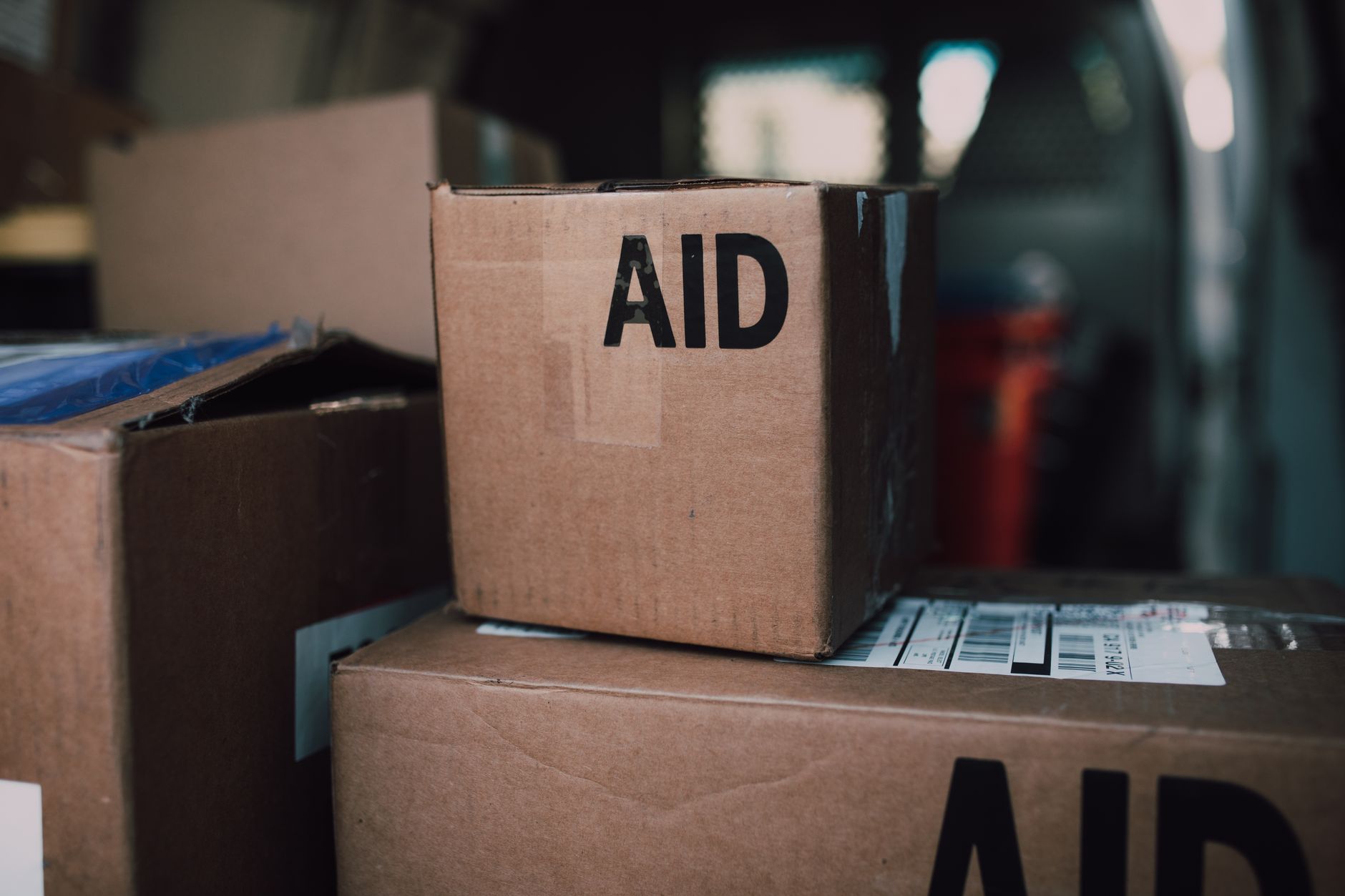
Circle Foundation announced two collaborative initiatives with the United Nations Development Programme (UNDP) and the World Food Programme USA (WFP) aimed at testing digital‑payment workflows and a regulated stable‑coin infrastructure for development and humanitarian operations.
Key Takeaways
- Circle Foundation is launching two separate projects with UNDP and WFP USA.
- The focus is on building regulated stable‑coin infrastructure for on‑chain humanitarian payments.
- Both initiatives target development‑focused and emergency‑relief contexts.
| Metric | Value | Why it matters |
|---|---|---|
| Partner – UNDP | United Nations Development Programme | Leverages UNDP’s development expertise to pilot on‑chain payment models. |
| Partner – WFP USA | World Food Programme USA | Brings humanitarian distribution networks into the stable‑coin testing framework. |
| Core focus | Digital payments & regulated stable‑coin infrastructure | Creates a compliant on‑chain layer for aid that can be audited and scaled. |
What the initiatives aim to achieve
The two projects are designed to assess whether a regulated stable‑coin can serve as a reliable medium of exchange for aid distribution, replacing or augmenting traditional fiat channels that often suffer from latency, high transaction costs, and limited transparency. By embedding the payment flow on a public ledger, the pilots intend to provide real‑time traceability for donors and beneficiaries alike.
How regulated stable‑coins differ from existing crypto solutions
Unlike many decentralized tokens that operate without formal oversight, the stable‑coin infrastructure under consideration will adhere to existing financial regulations, including AML/KYC protocols. This regulatory alignment is expected to ease integration with UN financial systems and reduce the compliance burden for partner NGOs.
Potential impact on humanitarian finance
If successful, the pilots could demonstrate a scalable model where aid dollars move instantly across borders, reaching recipients in under‑banked regions without the friction of correspondent banking. The on‑chain nature of the solution also opens the door for automated smart‑contract disbursements, which could trigger payments based on verified delivery metrics.
Regulatory and operational considerations
Both UNDP and WFP USA operate under strict donor‑reporting requirements. Embedding a regulated stable‑coin means that transaction data must be auditable, immutable, and compatible with existing reporting frameworks. The partnership therefore includes a compliance workstream to align blockchain activity with UN financial governance standards.
Why it matters
The collaboration signals a growing acceptance of blockchain‑based financial tools within the highest echelons of international aid. For traders and investors in the crypto space, the endorsement of a regulated stable‑coin by major UN agencies could translate into heightened credibility for compliant stable‑coin projects, potentially expanding TVL (total value locked) in regulated DeFi protocols that cater to institutional partners.
Frequently asked questions
What organizations are involved in the pilot?
Circle Foundation, the United Nations Development Programme (UNDP), and the World Food Programme USA (WFP) are the three entities collaborating on the initiatives.
What is the primary technology being tested?
A regulated stable‑coin infrastructure designed for on‑chain digital payments in development and humanitarian contexts.
Why focus on regulated stable‑coins instead of unregulated tokens?
Regulation ensures compliance with AML/KYC rules, aligns with UN donor requirements, and facilitates integration with existing financial systems.
How could this affect the broader crypto market?
A successful UN‑backed pilot may boost confidence in compliant stable‑coins, encouraging institutional adoption and potentially increasing on‑chain liquidity for regulated DeFi platforms.
When will the pilots be launched?
The source does not specify a launch timeline.
Bottom Line
Circle Foundation’s partnership with UNDP and WFP USA marks a concrete step toward embedding regulated stable‑coins in humanitarian finance, offering a blueprint for transparent, rapid aid distribution that could reshape how the crypto industry engages with large‑scale, compliance‑heavy institutions.
Crypto is highly volatile and risky. This is not financial advice — do your own research.
Reporting based on: original source.


Comments
Post a Comment