Crypto Security Extends Beyond Wallets to Physical Addresses
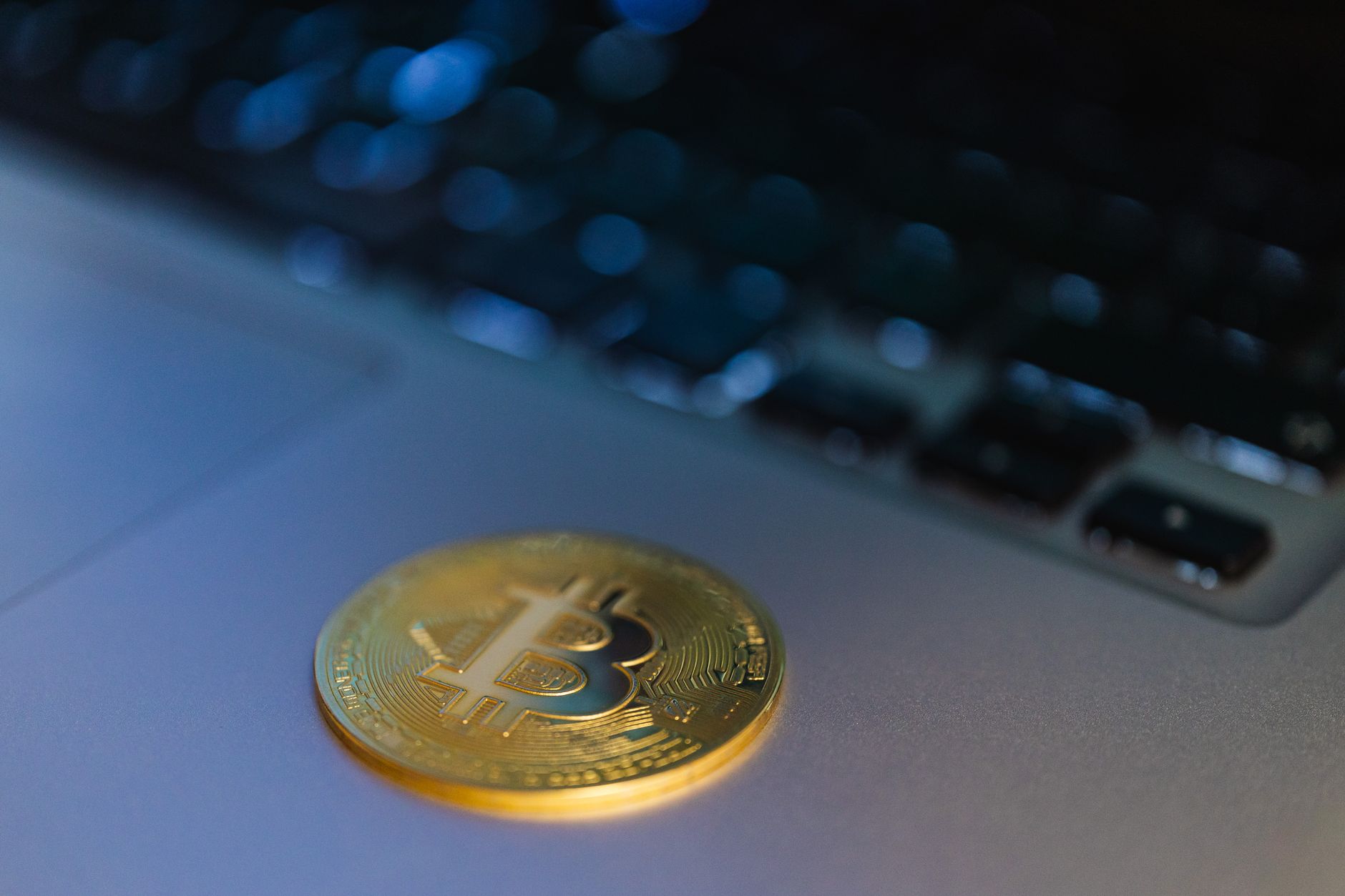
At approximately 4 a.m. on 20 September, four hooded individuals forced entry into a family residence in northern France, binding the occupants for several hours after allegedly targeting the household’s cryptocurrency holdings.
Key Takeaways
- The intrusion occurred around 4 a.m. on 20 September in northern France.
- Four masked assailants entered the home and restrained the family for hours.
- Police have not disclosed how the perpetrators identified the target, highlighting a data‑exposure gap in the crypto ecosystem.
| Metric | Value | Why it matters |
|---|---|---|
| Date of incident | 20 September | Marks a rare physical‑security breach linked to crypto assets. |
| Time of entry | Around 4 a.m. | Demonstrates attackers’ willingness to operate under cover of darkness. |
| Location | Northern France | Shows that crypto‑related crime is not confined to any single geography. |
What Happened: A Physical Breach Tied to Digital Wealth
The attackers, described as four hooded men, forced their way into the family’s home and restrained the occupants for an extended period. While the exact method used to identify the target remains undisclosed, the incident underscores a shift from purely digital theft to a hybrid model where physical intrusion is leveraged to access cryptocurrency holdings.
Why the Target Remains Unclear
Law enforcement officials have not revealed the intelligence or data sources that led the perpetrators to the specific address. This opacity points to a broader industry challenge: the lack of robust mechanisms to protect the linkage between on‑chain activity and real‑world identifiers such as home addresses.
The Data‑Exposure Gap in the Crypto Ecosystem
Cryptocurrency transactions are publicly recorded on blockchains, allowing anyone to trace wallet activity. When users associate these wallets with personal information—through exchanges, DeFi platforms, or social media—their physical locations can become inferable. The French incident illustrates how this data leakage can translate into tangible threats, extending the security perimeter from the wallet to the doorstep.
Industry Response and Emerging Mitigations
The event has prompted calls for enhanced privacy safeguards, including the adoption of privacy‑preserving protocols, stricter KYC/AML data handling, and the use of mixers or layer‑2 solutions that obscure transaction trails. While these measures can reduce on‑chain traceability, they do not eliminate the risk of off‑chain data aggregation that could expose a user’s physical address.
Why It Matters to Traders and HODLers
For market participants, the incident serves as a reminder that safeguarding digital assets requires a holistic approach. Physical security, operational hygiene, and careful management of personal identifiers are now integral components of a comprehensive risk‑management strategy. Ignoring the off‑chain exposure vector could leave even the most security‑conscious wallets vulnerable to real‑world attacks.
Why It Matters
The breach demonstrates that cryptocurrency security is no longer confined to private keys and smart‑contract audits. As on‑chain analytics become more sophisticated, the convergence of digital footprints and physical addresses creates a new attack surface. Stakeholders—exchanges, DeFi protocols, and individual users—must prioritize data minimization and privacy‑by‑design to mitigate the risk of similar incidents.
Frequently asked questions
Who were the perpetrators?
Four hooded men entered the residence; their identities have not been disclosed by authorities.
When did the incident occur?
The intrusion took place at around 4 a.m. on 20 September.
Where did the attack happen?
The home is located in northern France.
Why have police not explained the targeting method?
Investigators have not released details on how the attackers selected the address, highlighting a data‑exposure gap in the crypto sector.
What steps can crypto users take to protect themselves?
Users should limit the amount of personal information linked to wallet addresses, employ privacy‑enhancing tools, and consider physical security measures for any assets stored at home.
Bottom Line
The northern France home invasion illustrates that crypto‑related threats now span both digital and physical realms, exposing a critical data‑privacy weakness that the industry must address to protect users from real‑world attacks.
Read the original report on BeInCrypto
Crypto is highly volatile and risky. This is not financial advice — do your own research.
Reporting based on: original source.


Comments
Post a Comment