Crypto stocks rebound after CLARITY Act selloff
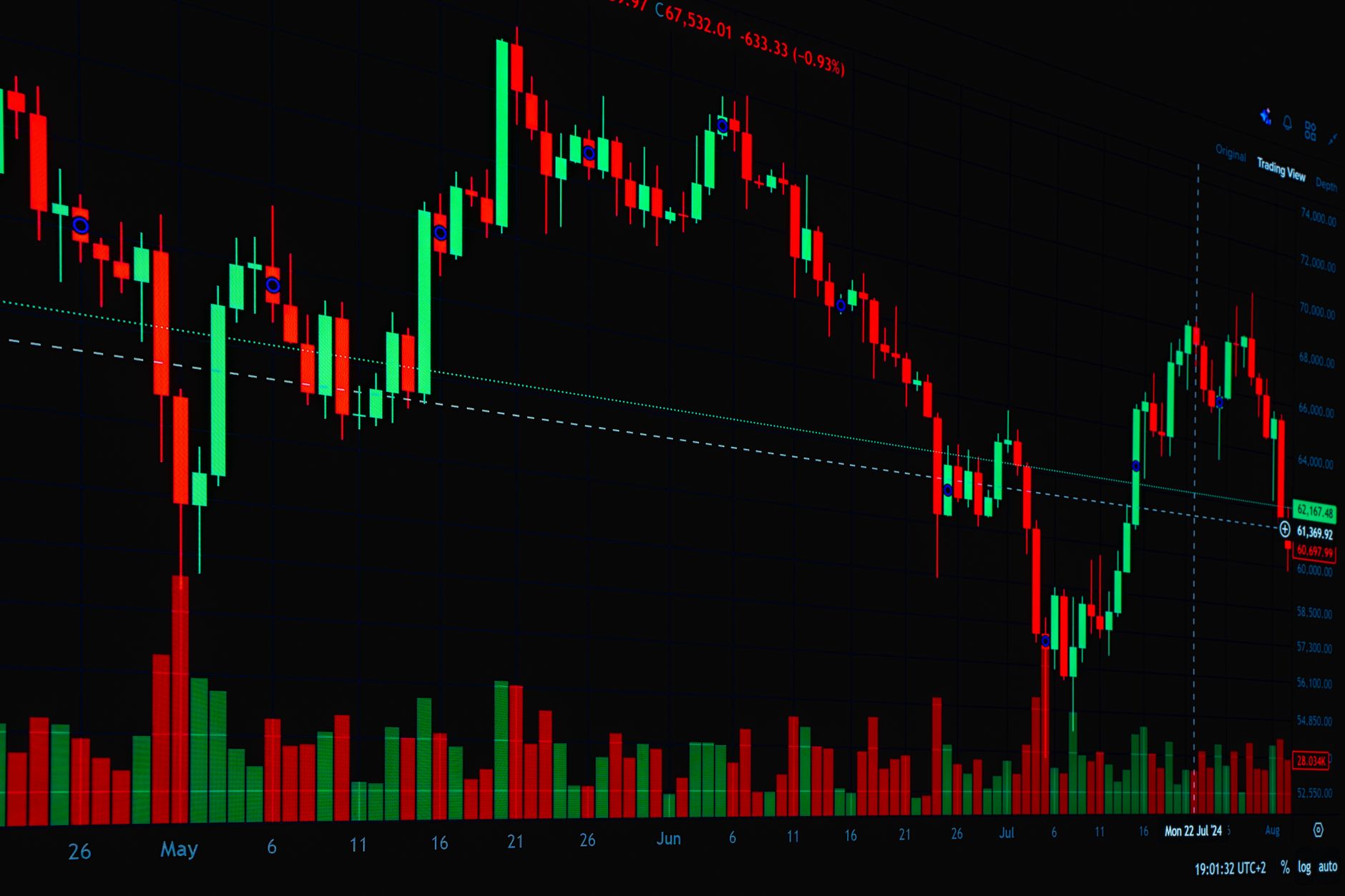
Crypto‑linked equities surged on Friday, erasing the losses that followed the U.S. Senate’s September 15 decision not to advance the CLARITY Act, while Bitcoin reclaimed the $80,000 threshold, reigniting on‑chain bullish sentiment.
Key Takeaways
- Crypto‑related stocks rallied sharply on Friday, reversing the dip caused by the CLARITY Act setback.
- Bitcoin moved back above $80,000, reinforcing a bullish on‑chain narrative.
- Strategy posted the strongest gain at just over 13%; Coinbase, American Bitcoin and Robinhood each rose between 9% and 11%.
| Metric | Value | Why it matters |
|---|---|---|
| Senate vote date | Sept. 15 | Removed a legislative headwind that had pressured crypto equities. |
| Bitcoin price level | > $80,000 | Signals strong demand from whales and retail HODLers. |
| Top‑gaining stock | Strategy (+13%) | Highlights investor confidence in crypto service providers. |
What sparked the Friday rally?
The market’s bounce was directly triggered by the Senate’s failure to move the CLARITY Act forward, eliminating a looming regulatory uncertainty. At the same time, U.S. regulators signaled they would continue enforcement actions under existing authority, giving traders a clearer rule‑book to operate within.
Performance of key crypto‑linked equities
Strategy led the pack with a gain of just over 13%, followed by Coinbase and American Bitcoin, each climbing approximately 11%. Robinhood added nearly 9% to its valuation, while Circle, Strive and Riot Platforms each posted increases in the 5%‑7% range. The breadth of the rally suggests broad‑based confidence across both exchange operators and ancillary service firms.
Regulatory backdrop: CFTC, SEC and “passive software providers”
On Thursday, the Commodity Futures Trading Commission and the Securities and Exchange Commission each announced they would proceed with crypto‑related enforcement using their current statutory powers. The CFTC’s notice specifically referenced “passive software providers,” indicating a focus on infrastructure that supports on‑chain activity without direct market participation.
Bitcoin’s price recovery and on‑chain implications
Bitcoin’s climb back above $80,000 re‑energized on‑chain metrics such as total value locked (TVL) in DeFi protocols and whale accumulation patterns. For traders, the price breach reinforces a bullish outlook and may encourage further HODL behavior, while also attracting new capital into crypto‑linked equities.
Why it matters
The confluence of legislative relief and regulatory clarity created a short‑term bullish environment for crypto‑related stocks, while Bitcoin’s price strength provides on‑chain validation of market sentiment. Investors should monitor forthcoming SEC and CFTC filings, as additional guidance could either sustain the rally or introduce new volatility.
Frequently asked questions
Did the CLARITY Act pass?
No, the Senate did not advance the legislation on September 15, removing a key source of regulatory uncertainty.
Which crypto‑related stocks led the rebound?
Strategy posted the largest jump at just over 13%, with Coinbase and American Bitcoin each gaining around 11%.
What regulatory actions were noted on Thursday?
Both the CFTC and SEC indicated they would continue enforcement under existing authority, and the CFTC highlighted “passive software providers” in its announcement.
How does Bitcoin’s price affect these equities?
A price above $80,000 bolsters on‑chain confidence, encouraging HODLers and whales to maintain positions, which in turn supports demand for crypto‑linked stocks.
Bottom Line
The Senate’s decision not to move the CLARITY Act forward cleared a legislative hurdle, allowing crypto‑linked equities to rally sharply on Friday, while Bitcoin’s breach of $80,000 adds on‑chain momentum, suggesting a short‑term bullish phase for traders.
Watch for upcoming SEC and CFTC filings, as further regulatory clarity could shape the next leg of the market’s trajectory.
Crypto is highly volatile and risky. This is not financial advice — do your own research.
Reporting based on: original source.


Comments
Post a Comment