Crypto stocks sink after Senate rejects Clarity Act
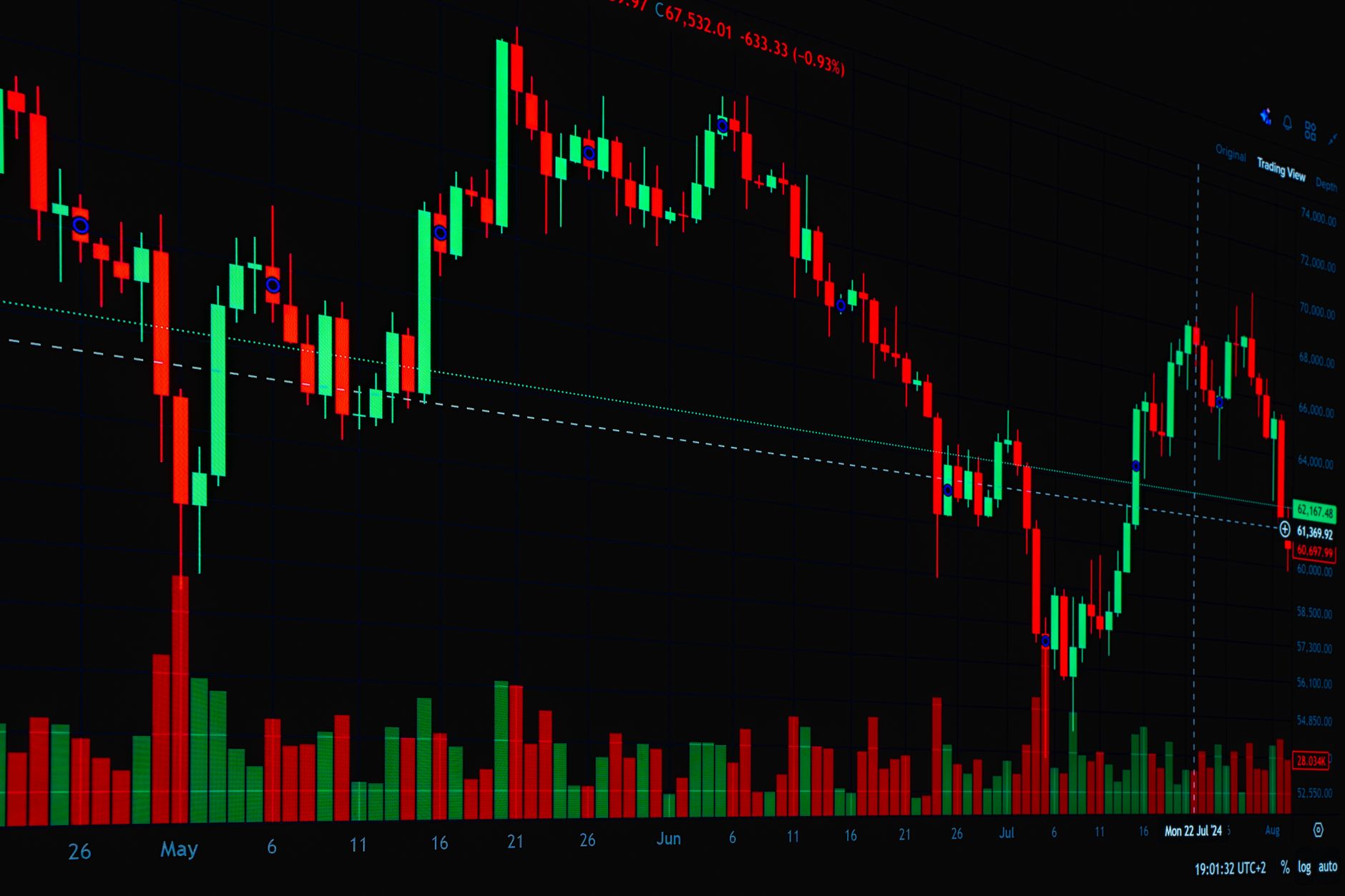
On Tuesday, crypto‑related equities plunged after the U.S. Senate voted 49‑50 on a procedural motion to advance the Digital Asset Market Clarity Act, falling short of the 60 votes needed for passage, and investors also trimmed exposure ahead of a scheduled Federal Reserve rate‑hike decision the following day.
Key Takeaways
- Crypto‑linked stocks fell sharply on Tuesday, with Coinbase, Circle and Galaxy each sliding more than 8%.
- The Senate’s 49‑50 vote missed the 60‑vote threshold required to move the Clarity Act forward.
- Market stress was amplified by traders positioning for a Federal Reserve rate increase expected on Wednesday.
| Metric | Value | Why it matters |
|---|---|---|
| Bill | Digital Asset Market Clarity Act | Would have expanded CFTC authority over digital assets. |
| Senate vote | 49‑50 | Failed to meet the 60‑vote supermajority needed for advancement. |
| Date of market reaction | Tuesday | Marks the day the sector turned “a sea of red.” |
| Companies with >8% decline | Coinbase, Circle, Galaxy | Highlights the breadth of the sell‑off across crypto‑linked equities. |
What the Digital Asset Market Clarity Act Proposed
The Clarity Act aimed to give the Commodity Futures Trading Commission (CFTC) broader jurisdiction over digital assets, potentially reshaping regulatory oversight for exchanges, custodians and DeFi platforms. By extending CFTC authority, the bill sought to create a more uniform framework for on‑chain activity, which many market participants view as a step toward greater institutional confidence.
Senate Vote Outcome and Legislative Threshold
During a procedural vote on Tuesday, the Senate recorded a 49‑50 tally, missing the 60‑vote supermajority required to move the Clarity Act forward. The shortfall underscored partisan divisions and left the bill stalled, preserving the status quo for the CFTC’s current remit.
Immediate Market Reaction Across Crypto‑Linked Stocks
The failure to advance the bill triggered a rapid sell‑off that painted the sector “a sea of red.” Coinbase, Circle and Galaxy each dropped more than 8%, while other players such as Riot Platforms and Robinhood were also noted as feeling the broader pain. The uniform decline suggests that traders treated the legislative setback as a systemic risk rather than an isolated corporate issue.
Broader Context: Anticipation of a Fed Rate Hike
Compounding the legislative disappointment, investors were already trimming risk ahead of the Federal Reserve’s Wednesday meeting, where a rate increase was widely expected. The convergence of policy uncertainty and regulatory disappointment amplified volatility, prompting many to HODL cash or shift into lower‑beta assets.
Implications for the Crypto Industry
The Senate’s rejection keeps the CFTC’s authority unchanged, meaning existing compliance pathways remain in place for exchanges and DeFi protocols. While the short‑term market reaction was negative, the longer‑term outlook may benefit from the clarity that a stalled bill provides—allowing firms to continue operating under known rules while lobbying for future reforms.
Why it matters
Traders should monitor two parallel tracks: any renewed legislative push for the Clarity Act and the Federal Reserve’s monetary policy decision. A future successful vote could re‑price crypto equities once again, while the Fed’s stance will influence risk appetite across the broader market. Watching on‑chain metrics such as TVL and whale movements can offer early signals of shifting sentiment.
Frequently asked questions
What was the vote count on the Clarity Act?
The Senate voted 49‑50 on the procedural motion, falling short of the 60 votes required for passage.
Which crypto‑related stocks were most affected?
Coinbase, Circle and Galaxy each experienced declines of more than 8%, while other firms such as Riot Platforms and Robinhood were also mentioned as part of the sector‑wide sell‑off.
Why did investors also cut risk ahead of the Federal Reserve?
A Federal Reserve rate‑hike decision was expected on Wednesday, prompting market participants to reduce exposure to higher‑volatility assets like crypto equities.
What authority would the Clarity Act have given to the CFTC?
The bill would have expanded the CFTC’s jurisdiction over digital assets, potentially increasing regulatory oversight of exchanges and DeFi platforms.
Bottom Line
The Senate’s failure to advance the Digital Asset Market Clarity Act, combined with looming Fed policy decisions, sparked a sharp, sector‑wide decline in crypto‑linked stocks, highlighting the sensitivity of the market to both regulatory and macroeconomic signals.
Crypto is highly volatile and risky. This is not financial advice — do your own research.
Reporting based on: original source.


Comments
Post a Comment