Hyperliquid open interest falls 56% to $6.5 billion on Oct. 10, 2025
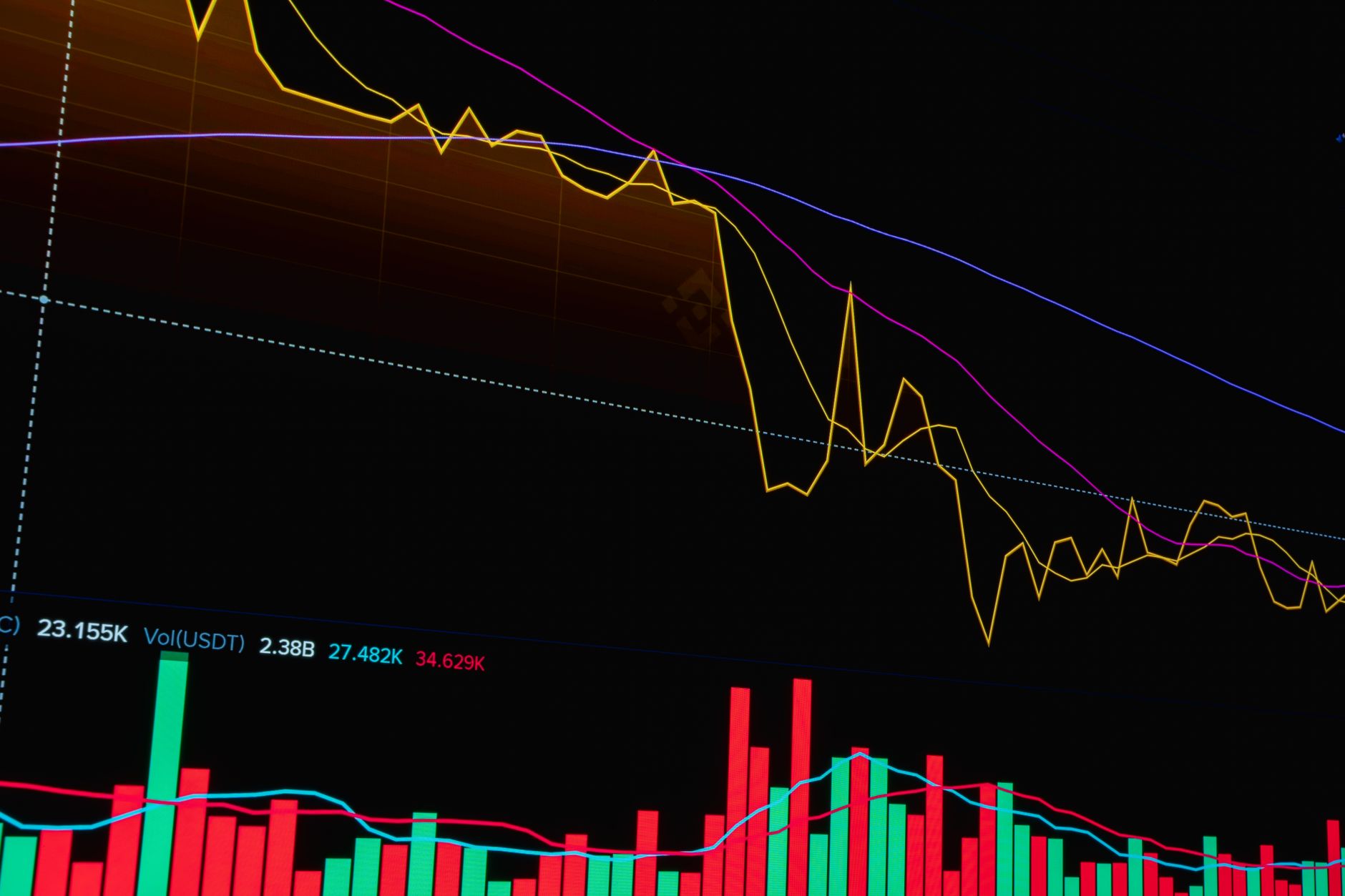
On October 10, 2025, the open interest (OI) on Hyperliquid’s derivatives platform dropped sharply, shrinking by roughly 56% in a single trading session. The metric moved from $14.7 billion at the start of the day to $6.5 billion by its close, marking one of the steepest intraday contractions recorded for the exchange.
Key Takeaways
- Hyperliquid’s OI fell from $14.7 billion to $6.5 billion on Oct. 10, 2025.
- The decline represents an approximate 56% reduction in a single day.
- Such a swing signals a rapid shift in trader positioning and on‑chain liquidity.
| Metric | Value | Why it matters |
|---|---|---|
| Date of event | Oct. 10, 2025 | Pins the timing for market‑wide analysis. |
| Open interest before drop | $14.7 billion | Indicates the scale of capital previously at risk. |
| Open interest after drop | $6.5 billion | Reflects the new level of trader exposure. |
| Percentage change | ≈ 56 % | Quantifies the magnitude of the shift. |
Understanding Open Interest on Derivatives Platforms
Open interest measures the total value of outstanding derivative contracts that have not been settled. Unlike trading volume, which captures activity over a period, OI reflects the amount of capital that remains “on the books” and therefore serves as a proxy for market depth and trader confidence. A sudden contraction, such as the one observed on Hyperliquid, typically signals that participants are either closing positions, liquidating collateral, or moving capital to alternative venues.
The Oct. 10, 2025 Contraction: What the Numbers Reveal
The day‑to‑day swing from $14.7 billion to $6.5 billion represents a loss of $8.2 billion in open contracts. In percentage terms, a 56% drop is atypical for a mature derivatives exchange, where OI usually moves in single‑digit percentages unless a macro event or a major protocol upgrade occurs. The speed of the decline—compressed into a single 24‑hour window—suggests a coordinated reaction among market participants, possibly driven by on‑chain signals or external market stress.
Implications for Hyperliquid’s Market Position
Hyperliquid has positioned itself as a low‑latency, high‑leverage venue for professional traders. A contraction of this magnitude can affect its perceived liquidity, potentially widening spreads and increasing slippage for remaining traders. Whales—large holders who can sway OI—may interpret the drop as a warning sign, prompting further risk‑off behavior. Conversely, the lower OI could attract new entrants seeking tighter order books, though the risk of further volatility remains.
On‑Chain Liquidity Signals and Risk Management
On‑chain analytics tools track the flow of collateral into and out of derivatives contracts. A 56% reduction in OI often coincides with a surge in token withdrawals or a spike in liquidation events. Traders monitoring TVL (total value locked) across DeFi platforms may see a corresponding dip in Hyperliquid’s locked collateral, prompting risk‑adjusted position sizing. The event underscores the importance of real‑time on‑chain data for HODLers and active speculators alike.
Potential Drivers Behind the Sharp Decline
While the source does not specify causative factors, typical catalysts for such OI swings include: large‑scale liquidations triggered by price moves in underlying assets, margin calls on leveraged positions, or strategic reallocation of capital to competing platforms. Regulatory announcements, macro‑economic data releases, or network upgrades can also precipitate rapid position unwinding. Traders should monitor related news feeds and on‑chain alerts for corroborating signals.
Why it matters
The 56% drop in Hyperliquid’s open interest compresses the amount of capital at risk, reshapes the liquidity landscape, and may influence price discovery on the platform. For market participants, the event serves as a barometer of risk sentiment and a reminder to incorporate on‑chain metrics into risk management frameworks. Observing whether OI stabilizes, rebounds, or continues to decline will be critical for assessing the exchange’s resilience and for timing future entry points.
Frequently asked questions
What caused the open interest to fall on Oct. 10, 2025?
The source reports the magnitude of the decline but does not disclose specific catalysts. Typical drivers include large liquidations, margin calls, or strategic capital shifts, but the exact cause remains unconfirmed.
How significant is a 56% single‑day OI reduction?
A 56% contraction is unusually large for a single day, indicating a rapid and coordinated change in trader positioning. Such moves are generally associated with heightened market stress or major news events.
What does this mean for traders currently on Hyperliquid?
Reduced OI can lead to tighter liquidity, potentially widening spreads and increasing execution risk. Traders may need to adjust position sizes, monitor collateral health more closely, and stay alert to further on‑chain signals.
Will the open interest likely recover?
Recovery depends on broader market conditions, trader confidence, and any subsequent inflows of capital. Monitoring future OI trends and related on‑chain metrics will provide clearer insight.
Bottom Line
Hyperliquid experienced a dramatic 56% drop in open interest on Oct. 10, 2025, shrinking from $14.7 billion to $6.5 billion. The swing highlights a swift reallocation of capital and underscores the need for traders to watch on‑chain liquidity cues closely, as the platform’s depth and risk profile may be in flux.
Crypto is highly volatile and risky. This is not financial advice — do your own research.
Reporting based on: original source.


Comments
Post a Comment