Jensen Huang Highlights 22% AI Chip Rental Surge, Validating Older Nvidia Revenue
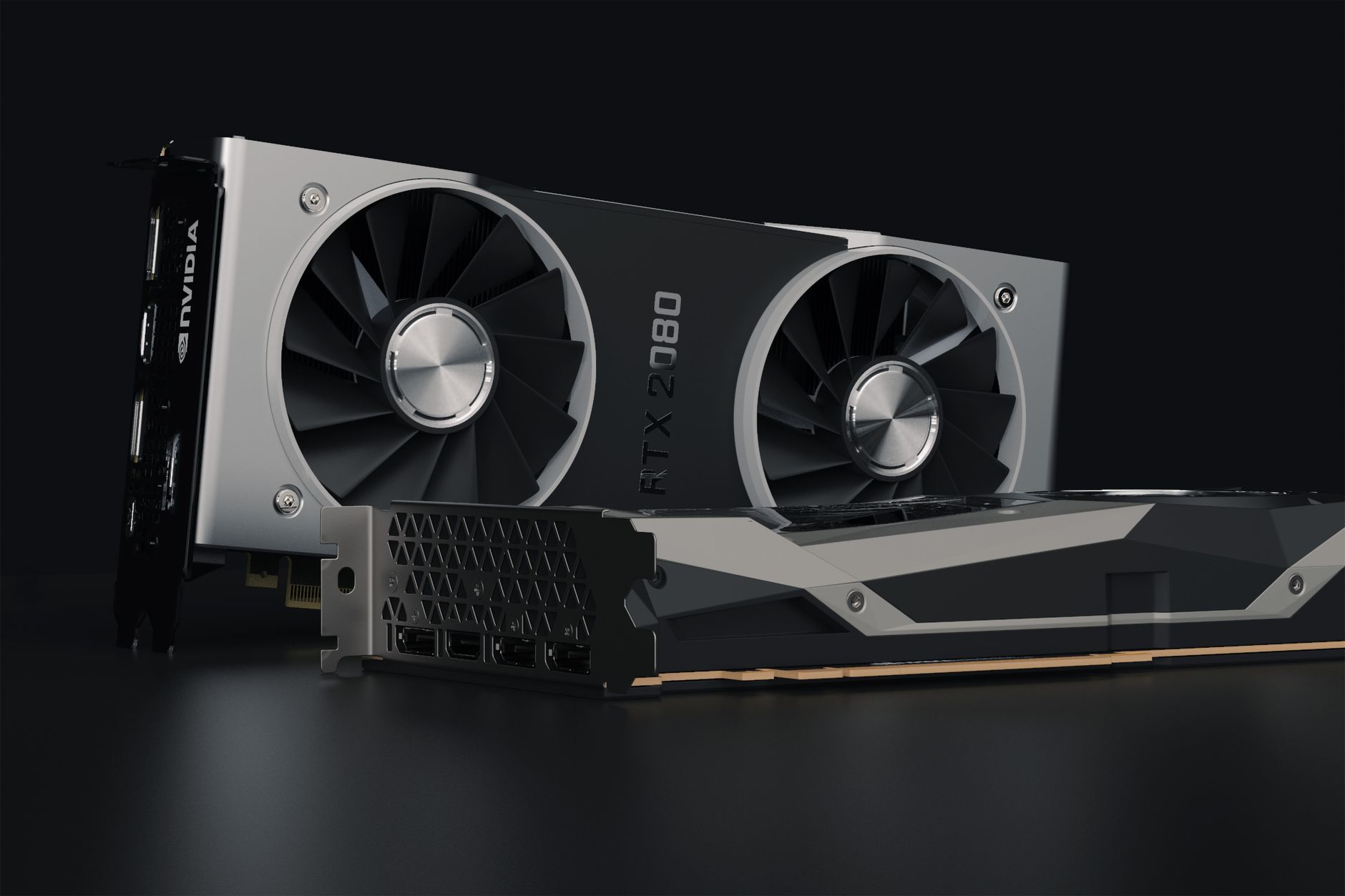
Nvidia CEO Jensen Huang noted that AI‑chip rental prices have risen by 22%, a movement he interprets as proof that legacy Nvidia hardware continues to generate earnings.
Key Takeaways
- AI‑chip rental rates climbed 22%.
- Jensen Huang frames the increase as evidence that older Nvidia GPUs remain profitable.
- The observation was published on BeInCrypto.
| Metric | Value | Why it matters |
|---|---|---|
| Key figure | 22% rental price jump | Signals sustained demand for older GPU inventory. |
| Speaker | Jensen Huang (Nvidia CEO) | His perspective carries weight in the AI‑hardware market. |
| Source | BeInCrypto article | Provides the original context for the statement. |
What the Rental Surge Indicates
A 22% rise in AI‑chip rental fees suggests that enterprises are willing to pay a premium for compute power, even when the underlying silicon is not the latest generation. Huang’s comment frames this as a validation that Nvidia’s older product lines continue to produce cash flow.
Implications for the Crypto Mining Ecosystem
When legacy GPUs retain market value, miners may find a secondary source of income by leasing hardware to AI workloads instead of HODLing or selling at a loss. This dynamic can affect on‑chain hash rate calculations and the overall TVL (Total Value Locked) in GPU‑driven DeFi projects that rely on affordable compute.
Why Nvidia’s Older Chips Remain Attractive
Older Nvidia GPUs often deliver a favorable performance‑per‑dollar ratio for both AI inference and crypto mining. The rental price jump underscores that a whale‑level demand for compute can keep these chips in circulation, extending their economic lifespan beyond the typical product refresh cycle.
Market Context and Potential Risks
While the rental surge is a positive signal, it does not guarantee perpetual profitability. Rapid advances in AI accelerator technology could eventually shift demand toward newer, more efficient silicon, compressing the rental market for older GPUs. Traders should monitor supply‑chain announcements and on‑chain mining hash‑rate trends for early warning signs.
Why it matters
For crypto participants, the sustained earnings from legacy Nvidia hardware translate into an additional revenue stream that can offset mining volatility. Observing rental price movements offers a proxy for broader AI‑compute demand, which may influence GPU availability and pricing across both AI and crypto sectors.
Frequently asked questions
What specific price change did Jensen Huang reference?
He cited a 22% increase in AI‑chip rental prices.
Which Nvidia products are implied by “older chips”?
The statement refers generally to previous‑generation Nvidia GPUs that are no longer the flagship models.
Where was Huang’s comment originally published?
The observation appeared in an article on BeInCrypto.
How could this rental price jump affect crypto miners?
Higher rental rates may incentivize miners to lease older GPUs for AI workloads, potentially diversifying income and influencing on‑chain hash‑rate dynamics.
What should traders watch moving forward?
Monitoring future AI‑chip rental trends, Nvidia’s product roadmaps, and on‑chain mining metrics will help gauge the durability of this revenue stream.
Bottom Line
Jensen Huang’s observation of a 22% rise in AI‑chip rental prices confirms that older Nvidia GPUs continue to generate meaningful earnings, a factor that could provide crypto miners with an alternative income source and influence GPU market dynamics.
Crypto is highly volatile and risky. This is not financial advice — do your own research.
Reporting based on: original source.


Comments
Post a Comment