Trump to Address UN Amid Skepticism Over US‑Iran Deal Prospects
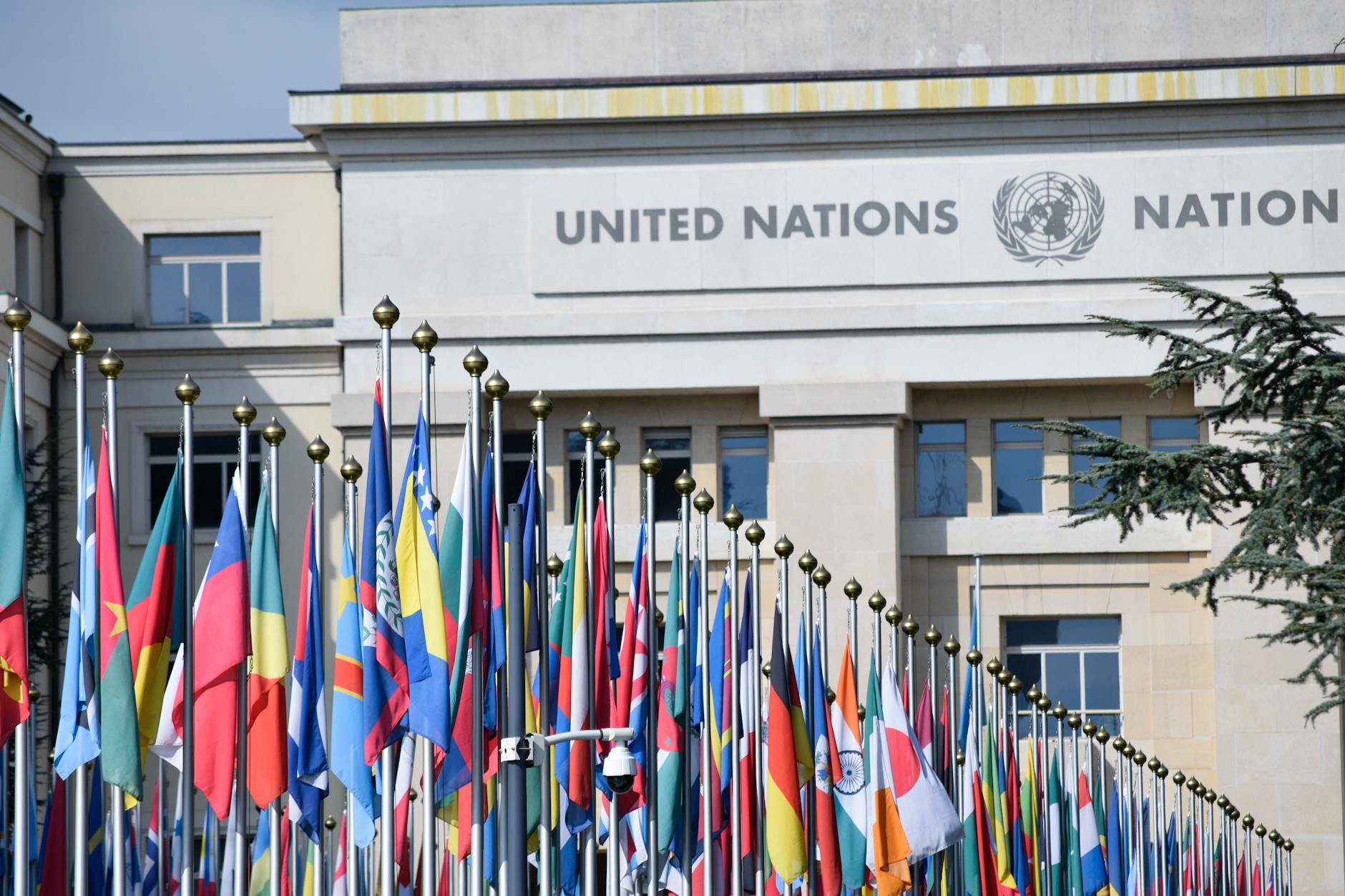
U.S. President Donald Trump is slated to speak at the United Nations General Assembly, a platform that comes as world leaders express doubt about the feasibility of a United States‑Iran agreement. The skepticism is tied to a protracted conflict in Iran and limited diplomatic headway, casting uncertainty on a reconstruction‑funding deal projected for 2026.
Key Takeaways
- Donald Trump will address the UN General Assembly while doubts linger over a U.S.–Iran deal.
- Iranian leader Mojtaba Khamenei’s participation in peace talks is viewed as less likely amid UN‑related skepticism.
- Markets are pricing the UN environment as unfavorable for direct U.S.–Iran diplomatic engagement.
- A potential reconstruction‑funding agreement is earmarked for the year 2026.
| Metric | Value | Why it matters |
|---|---|---|
| Speaker | Donald Trump – President of the United States | His UN remarks can shape diplomatic narratives. |
| Iranian figure | Mojtaba Khamenei – senior Iranian leader | His potential attendance at talks is a market signal. |
| Venue | United Nations General Assembly | A global stage that can influence U.S.–Iran dynamics. |
| Target year for funding deal | 2026 | Sets a timeline for potential reconstruction financing. |
Trump’s Planned UN General Assembly Address
The United Nations General Assembly will host President Trump for a formal address, positioning the United States at the forefront of a diplomatic forum that traditionally draws attention from global policymakers. While the exact timing of the speech has not been disclosed, the setting underscores the administration’s intent to project its foreign‑policy stance on a worldwide stage.
Skepticism Over a U.S.–Iran Deal
World leaders have voiced skepticism regarding the prospects of a U.S.–Iran agreement, citing a “protracted conflict in Iran” and a lack of substantive diplomatic progress. The uncertainty extends to a reconstruction‑funding component that analysts have tentatively placed in the year 2026, suggesting that any breakthrough remains distant.
Geopolitical Backdrop and Military History
Previous U.S. military actions have contributed to a tense geopolitical environment, with observers noting “little indication of a breakthrough.” This backdrop frames the current diplomatic calculus, where the UN venue is seen as a potential catalyst for shifting the dynamics between Washington and Tehran.
Market Reaction to UN‑Related Skepticism
On‑chain and broader market pricing have begun to reflect the heightened skepticism. Traders are assigning a lower probability to Mojtaba Khamenei’s attendance at forthcoming peace talks, interpreting the UN atmosphere as a signal that direct diplomatic engagement with Iran is “less favorable.” This sentiment is influencing asset allocations across risk‑on and risk‑off strategies.
Potential 2026 Reconstruction Funding
The only concrete temporal marker in the discourse is the year 2026, identified as the target for a possible U.S.–Iran reconstruction‑funding deal. While the figure remains undefined, the mention of a future funding timeline provides a reference point for analysts monitoring policy shifts and market expectations.
Why It Matters
The convergence of a high‑profile UN address, entrenched geopolitical tension, and market pricing of diplomatic uncertainty creates a multi‑layered risk environment for traders. On‑chain metrics such as TVL (Total Value Locked) in DeFi protocols tied to geopolitical sentiment may experience volatility as investors recalibrate exposure to assets perceived as sensitive to U.S.–Iran relations. Monitoring subsequent UN statements will be crucial for anticipating any pivot that could alter the risk‑reward calculus for crypto‑linked portfolios.
Frequently asked questions
Who is delivering the address at the UN General Assembly?
President Donald Trump, the current President of the United States, is scheduled to speak.
What is the significance of Mojtaba Khamenei in this context?
Mojtaba Khamenei, identified as a senior Iranian leader, is a focal point for market participants assessing the likelihood of Iranian participation in peace talks.
Why does the year 2026 matter?
2026 is the year referenced for a potential U.S.–Iran reconstruction‑funding agreement, serving as a timeline for possible diplomatic and economic developments.
How are markets interpreting the UN environment?
Pricing models suggest that the UN‑related skepticism reduces confidence in direct diplomatic engagement, influencing asset valuations and risk assessments.
What should traders watch for after the UN address?
Observers are advised to monitor any UNGA statements that could shift diplomatic stances, trigger new military actions, or signal breakthroughs, as these factors will directly affect market perceptions of a U.S.–Iran deal.
Bottom Line
President Trump’s upcoming UN General Assembly speech occurs amid pronounced skepticism about a U.S.–Iran deal, with market pricing reflecting doubts over Iranian leader Mojtaba Khamenei’s involvement and a 2026 reconstruction‑funding timeline. Traders should keep a close eye on UN outcomes, as they may reshape risk assessments across crypto and broader financial markets.
Crypto is highly volatile and risky. This is not financial advice — do your own research.
Reporting based on: original source.


Comments
Post a Comment