Kraken Completes Acquisition of TradeStation Crypto‑Infrastructure Assets
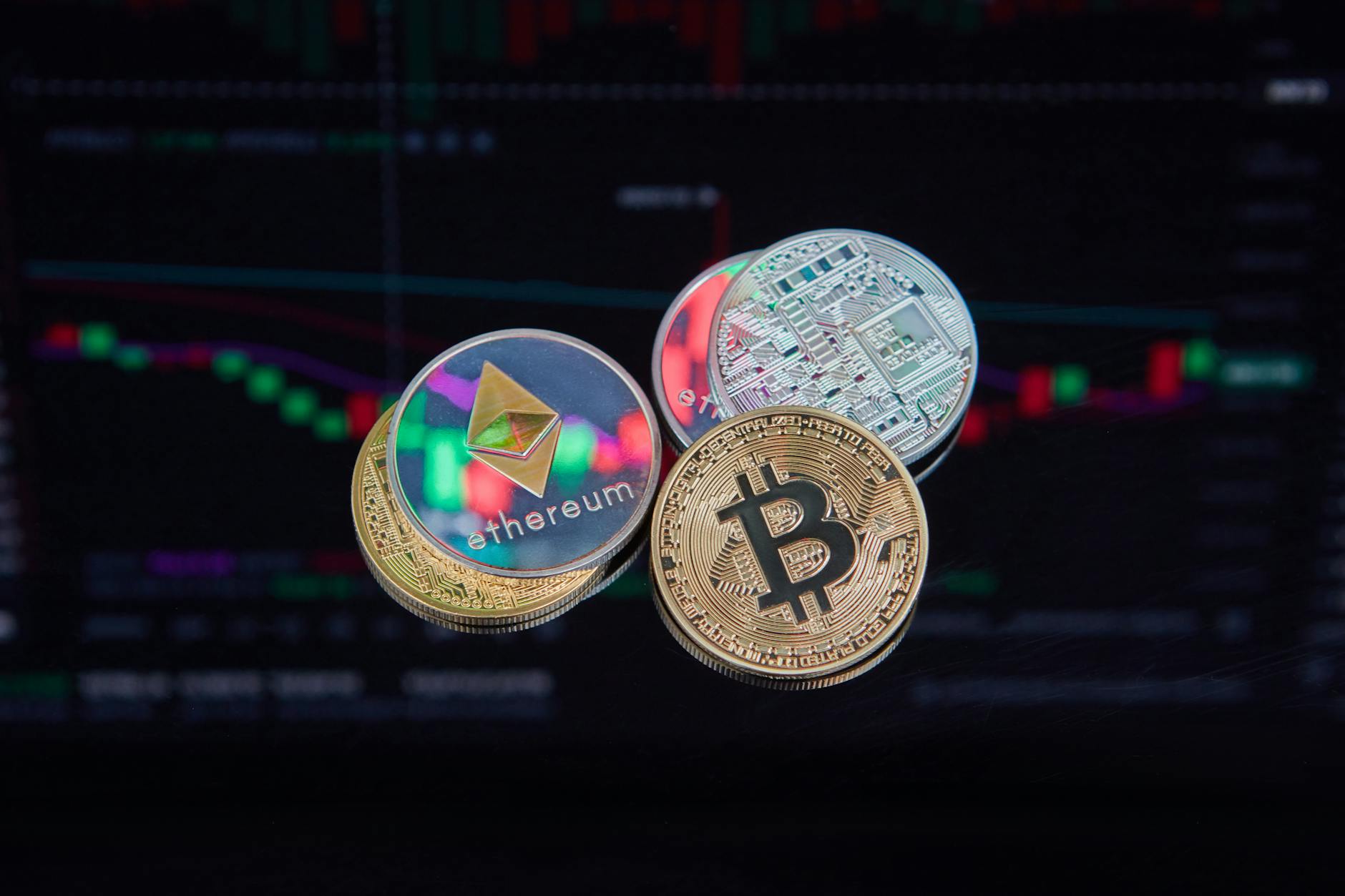
On September 30, 2026 Kraken announced the completion of its purchase of TradeStation’s crypto‑infrastructure assets, marking a decisive step toward bolstering its on‑chain service stack.
Key Takeaways
- Kraken finalized the acquisition of TradeStation’s crypto‑infrastructure assets on September 30, 2026.
- The deal is framed as an infrastructure upgrade to enable scalable, transparent operations and to reinforce compliance, security, and liquidity.
- Industry leaders view the move as evidence of expanding activity across the digital‑asset ecosystem, while analysts stress its role in sustaining user confidence.
| Metric | Value | Why it matters |
|---|---|---|
| Acquirer | Kraken | Signals Kraken’s intent to deepen its on‑chain capabilities. |
| Seller | TradeStation (crypto‑infrastructure assets) | Provides Kraken with established technology and market‑making tools. |
| Announcement date | September 30, 2026 | Marks the timeline for the strategic pivot. |
What the Acquisition Entails
The transaction transfers TradeStation’s suite of crypto‑infrastructure components—including order‑routing engines, liquidity bridges, and compliance modules—to Kraken’s platform. By absorbing these assets, Kraken gains immediate access to proven technology that can be layered onto its existing exchange and custodial services.
Strategic Rationale Behind the Deal
Kraken frames the purchase as a means to introduce “crucial infrastructure enhancements” and to support a strategic pivot toward operations that are both scalable and transparent. The emphasis on robust compliance, security, and market liquidity aligns with the broader push to embed digital‑asset services within institutional finance frameworks.
Industry Reaction and Analyst Outlook
Industry leaders have highlighted the acquisition as a clear indicator of expanding activity across the digital‑asset ecosystem. Analysts contend that the ongoing technological upgrades will be central to sustaining user confidence and market stability throughout the coming quarter, suggesting that the move could help mitigate volatility spikes often seen after major infrastructure changes.
Broader Market Context
The deal sits within a larger trend of digital‑asset services being integrated into institutional frameworks. As compliance, security, and liquidity become non‑negotiable pillars for mainstream adoption, transactions like Kraken’s acquisition serve as precedents for how crypto firms can align with institutional expectations.
Implications for Traders and Institutional Participants
Traders and investors are closely evaluating liquidity signals and collateral flows that may shift as Kraken incorporates TradeStation’s infrastructure. For HODLers and DeFi participants, the upgrade could translate into tighter spreads, deeper order books, and more reliable on‑chain settlement pathways, potentially enhancing the overall TVL (Total Value Locked) on Kraken’s platform.
Why It Matters
The acquisition underscores a maturation phase for crypto exchanges, where the focus moves from rapid growth to sustainable, institution‑grade operations. By bolstering its infrastructure, Kraken positions itself to capture a larger share of institutional capital, improve market depth, and reduce friction for large‑scale traders. Observers will watch subsequent liquidity metrics and on‑chain activity to gauge whether the integration delivers the promised stability.
Frequently Asked Questions
What assets did Kraken acquire from TradeStation?
Kraken obtained TradeStation’s crypto‑infrastructure assets, which include technology for order routing, liquidity provisioning, and compliance monitoring.
When was the acquisition officially confirmed?
The acquisition was confirmed on September 30, 2026.
Why is the acquisition significant for institutional investors?
It demonstrates a commitment to robust compliance, security, and liquidity—key criteria for institutional participation in digital‑asset markets.
How might the deal affect market liquidity?
Analysts expect the integration of TradeStation’s liquidity bridges to enhance market depth, which could stabilize spreads and improve order execution for large traders.
What should traders monitor after the acquisition?
Traders should watch liquidity signals, collateral flow patterns, and any changes in order‑book dynamics as Kraken rolls out the new infrastructure.
Bottom Line
Kraken’s completion of the TradeStation crypto‑infrastructure acquisition on September 30, 2026 marks a strategic push toward scalable, compliant, and liquid operations, a move that industry leaders and analysts view as a bellwether for deeper institutional integration in the crypto space.
Crypto is highly volatile and risky. This is not financial advice — do your own research.
Reporting based on: original source.


Comments
Post a Comment