Thailand Approves Domestic Bitcoin and Ether ETFs Effective Oct 16
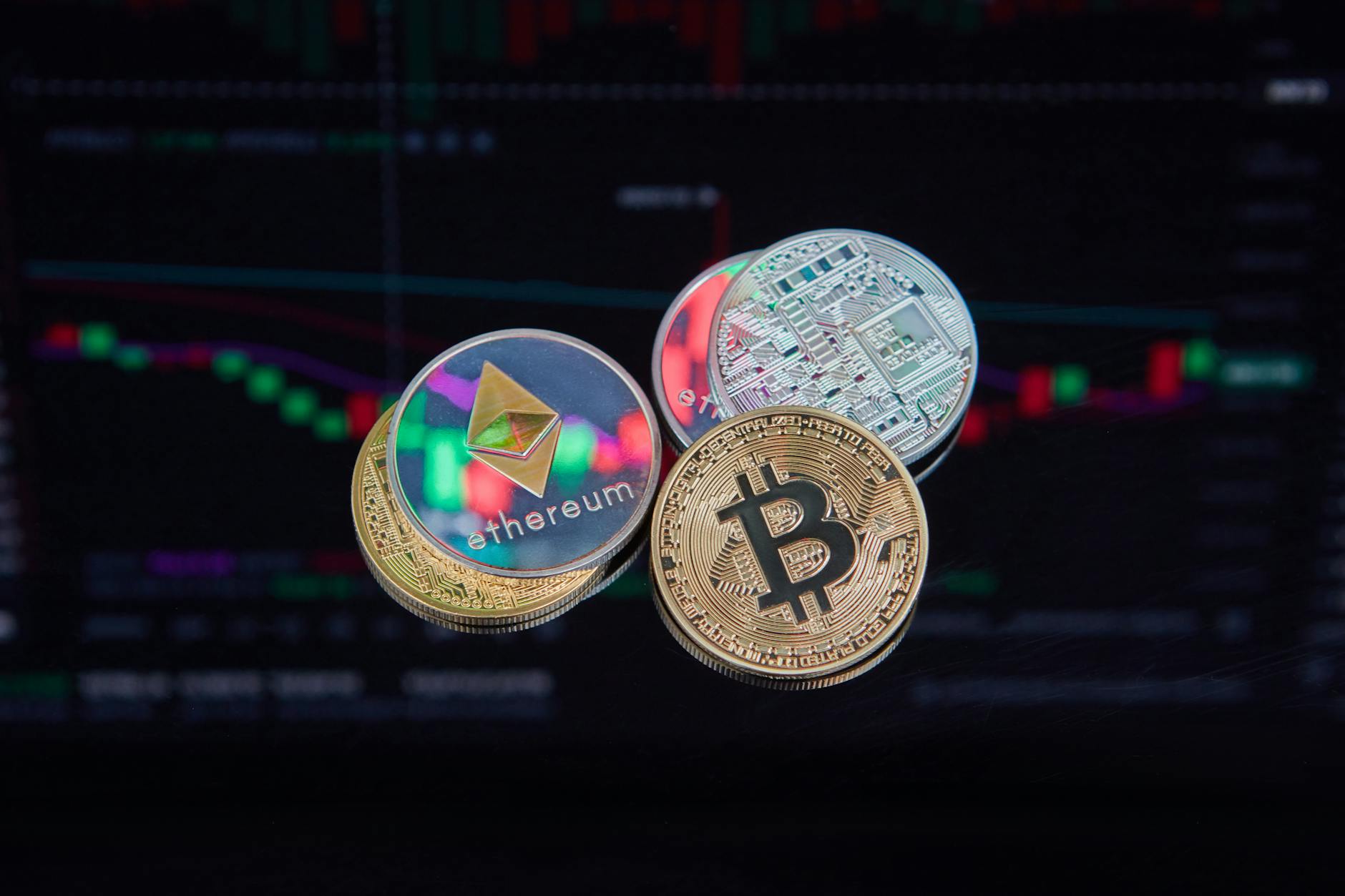
The Securities and Exchange Commission of Thailand announced that, starting 16 October, Thai asset managers may list exchange‑traded funds (ETFs) tracking bitcoin or ether on the Stock Exchange of Thailand, provided the funds allocate at least 80 % of net assets to the chosen cryptocurrency and use custodians approved by the regulator.
Key Takeaways
- Thai ETFs for bitcoin and ether can be listed on the Stock Exchange of Thailand from 16 October.
- Funds must invest a minimum of 80 % of their net asset value in a single eligible cryptocurrency.
- Custody must be handled by firms regulated by the Thai SEC; brokers are barred from extending credit for crypto purchases.
- Retail investors are initially excluded from indirect exposure to foreign crypto ETFs.
- Thailand leads per‑capita crypto ownership at roughly 20 % of its population.
| Metric | Value | Why it matters |
|---|---|---|
| Effective date | 16 October 2024 | Sets the launch window for the first regulated crypto ETFs. |
| Eligible assets | Bitcoin (BTC) and Ether (ETH) | Limits exposure to the two most liquid digital assets. |
| Minimum crypto exposure | ≥ 80 % of NAV | Ensures ETFs remain true to their crypto focus. |
| Retail access | Barred from indirect foreign crypto ETFs | Keeps early-stage products domestic and regulated. |
Regulatory Framework and Operational Requirements
The SEC’s rulebook mandates that any crypto‑ETF must be listed on the Stock Exchange of Thailand and must track a single cryptocurrency, with at least 80 % of its net asset value (NAV) allocated to that asset. Custodial responsibilities fall to entities licensed by the Thai regulator, adding a layer of on‑chain security and compliance. Additionally, brokers are prohibited from extending margin or credit facilities for crypto purchases, curbing leverage risk for retail participants.
Investor Safeguards and Suitability Checks
Before executing a purchase, investors must explicitly acknowledge the inherent volatility and regulatory risk of crypto assets. This “risk‑acknowledgement” step mirrors suitability protocols used for traditional securities, reinforcing the SEC’s emphasis on informed consent. The rule also bars retail investors from products that provide indirect exposure to foreign crypto ETFs, such as depositary receipts, until a later phase of market development.
Market Structure Implications
By embedding bitcoin and ether within Thailand’s conventional fund and exchange architecture, the SEC creates a bridge between on‑chain assets and the regulated financial system. Asset managers may outsource portfolio construction to licensed digital‑asset fund managers, while qualified custodians and supervisory firms can register as fund supervisors. This modular approach encourages specialization without compromising the overarching regulatory perimeter.
Strategic Context: Thailand’s Crypto Landscape
Thailand currently boasts the highest per‑capita crypto ownership globally, with roughly 20 % of its population holding digital assets—outpacing the United States (13 %) and neighboring economies such as Nigeria, the Philippines, and South Africa (approximately 19.4 %). The new ETF framework aligns with the SEC’s 2025 roadmap to broaden crypto‑related offerings beyond bitcoin, signaling a gradual liberalization of the market while retaining tight custodial oversight.
Why it Matters
The introduction of domestically listed bitcoin and ether ETFs offers Thai investors a regulated, on‑exchange avenue to gain exposure to the leading cryptocurrencies without navigating unregulated exchanges or foreign products. This could attract institutional capital, deepen on‑chain liquidity, and potentially lift the total value locked (TVL) in Thailand’s crypto ecosystem. Moreover, the stringent custody and risk‑acknowledgement requirements may set a benchmark for other emerging markets seeking to integrate digital assets into their financial infrastructure.
Frequently asked questions
What cryptocurrencies are eligible for the first Thai crypto ETFs?
Only bitcoin (BTC) and ether (ETH) are permitted in the initial rollout.
When can these ETFs be traded on the Stock Exchange of Thailand?
Trading is authorized to begin on 16 October 2024.
Are retail investors allowed to buy these ETFs?
Retail investors can purchase the domestically listed ETFs but remain barred from indirect exposure to foreign crypto ETFs during the initial phase.
What custody standards must the funds meet?
All crypto holdings must be stored with custodians that are regulated by the Thai SEC.
Can brokers provide margin for buying these ETFs?
No. Brokers are expressly prohibited from extending credit or margin for crypto purchases under the new rules.
Bottom Line
Thailand’s SEC is paving a regulated path for crypto exposure by allowing bitcoin and ether ETFs to list on the domestic exchange from 16 October, with strict custody, risk‑acknowledgement, and credit‑restriction safeguards. The move leverages the country’s high per‑capita crypto adoption while maintaining investor protection, positioning Thailand as a regional leader in integrating digital assets into mainstream finance.
Crypto is highly volatile and risky. This is not financial advice — do your own research.
Reporting based on: original source.


Comments
Post a Comment