Tokenized commodities expand beyond gold as lending and oil tokens open new markets
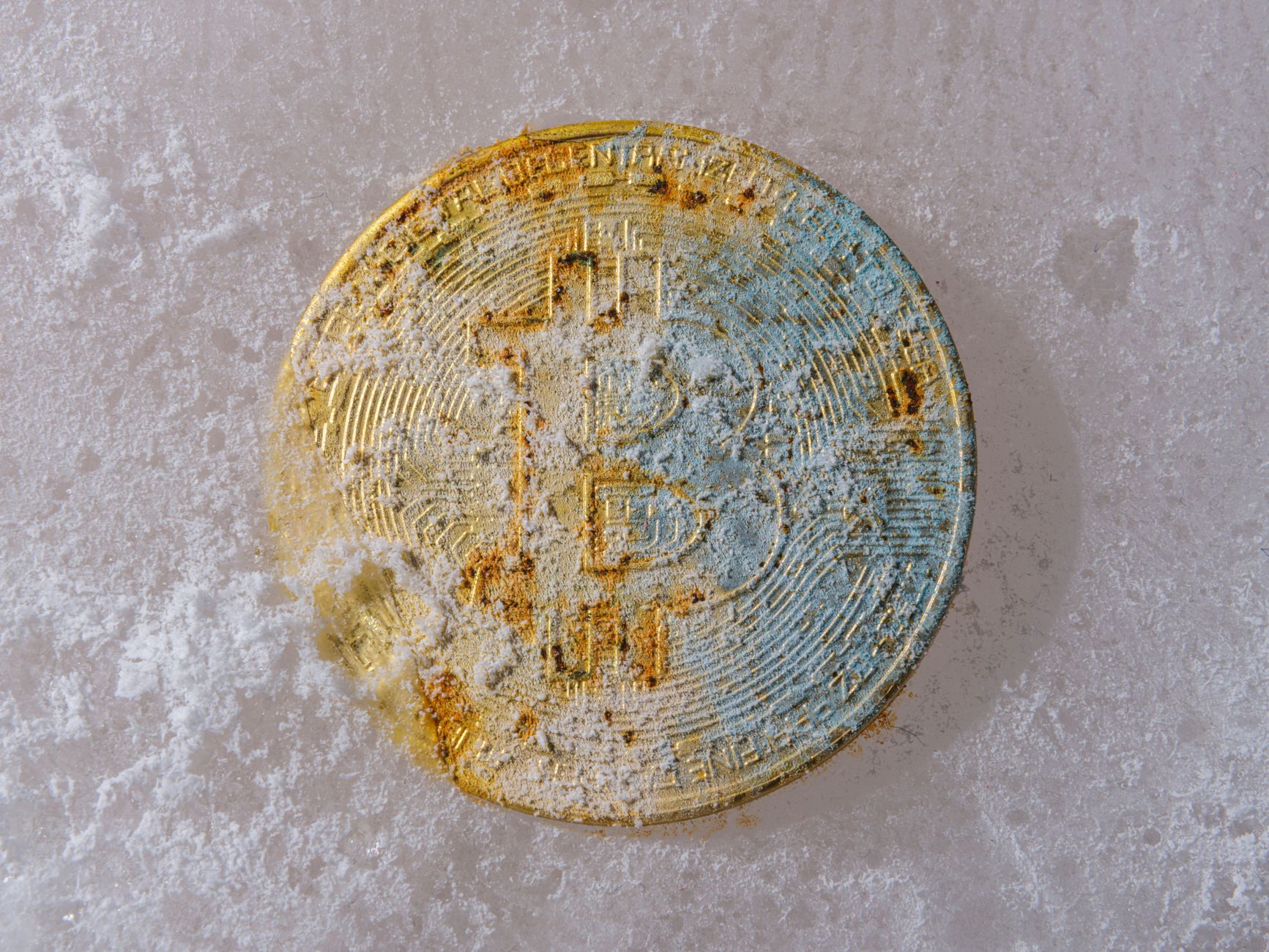
Tokenized commodities’ total market capitalization reached $5.55 billion at the end of March 2026, up from $1.43 billion at the start of 2025, with gold‑backed tokens from Paxos and Tether accounting for almost 90 % of the growth, according to CoinGecko data.
Key Takeaways
- Gold and silver lending platforms aim to turn tokenized metals into income‑generating assets.
- Energy Substantiation (EnSub) has launched a barrel‑for‑barrel WTI token on Solana and is developing natural‑gas and Brent tokens.
- Executives project the tokenized‑commodity market could exceed $100 billion within ten years, but custody, logistics and borrower risk remain critical hurdles.
| Metric | Value | Why it matters |
|---|---|---|
| Market cap (Mar 2026) | $5.55 billion | Shows rapid scaling of tokenized assets beyond niche use. |
| Market cap (Jan 2025) | $1.43 billion | Baseline for measuring recent growth. |
| Key players | Paxos Labs, Theo, Energy Substantiation | Their products illustrate the expanding use‑cases. |
| WTI token launch | Oct 2 (Ethereum → Solana) | Cross‑chain availability broadens trader access. |
From price tracking to on‑chain lending
Paxos Labs is positioning its PAXGy token, which is fully backed by PAX Gold, as a gateway to on‑chain gold lending. Co‑founder Bhau Kotecha told CoinDesk that “
The big proposition is access,” emphasizing that traditional gold loans have required large‑scale relationships unavailable to most investors.
The model envisions individuals, family offices and institutions borrowing against PAXGy, potentially earning yields that exceed standard DeFi rates. However, Kotecha cautioned that lending returns are not guaranteed and borrower defaults could erode token value, underscoring the need for robust credit assessment on‑chain.
Silver as the “natural second” metal
Theo’s thSLVR token channels income from institutional silver leases to token holders while preserving exposure to spot silver prices. Chief Investment Officer Iggy Ioppe highlighted three primary user groups: commodity owners seeking productive collateral, refiners financing inventory, and corporate treasuries that need quickly settleable assets.
Ioppe described silver as “the natural second” after gold, noting its industrial demand and an established leasing market. He warned that higher price volatility and tighter metal supply could complicate scaling, but projected a tokenized‑commodity market worth “tens of billions within five years and more than $100 billion within a decade,” with tokenization becoming a routine settlement method in fifteen years.
Oil tokens: logistical hurdles and upside potential
Energy Substantiation (EnSub) broadened its WTIC token—each representing one barrel of West Texas Intermediate crude—from Ethereum to Solana on Oct 2, aiming to reduce transaction costs and improve latency for oil‑focused traders.
Co‑founder and CEO JP Thieriot announced that natural‑gas and Brent tokens are under development. He expects demand from three segments: energy buyers hedging price risk, investors seeking exposure to physical oil, and suppliers looking for working‑capital financing. Thieriot predicts oil tokens could capture “a quarter of the oil market within 10 years,” provided “verifiable inventory, workable custody and settlement” are secured.
Ioppe countered that storage and transport complexities make income‑generating energy tokens harder to construct than metal tokens, highlighting the divergent timelines for metals versus energy in the tokenization ecosystem.
Risk considerations and infrastructure gaps
All three executives agree that custody solutions, logistics chains, and borrower credit risk are the primary obstacles to mainstream adoption. Physical verification of inventory, especially for oil that is continuously in motion, demands integrated on‑chain oracle networks and trusted custodians.
Without reliable settlement mechanisms, the promise of on‑chain collateralization could be undermined, limiting the ability of token holders to HODL assets while earning yield.
Why it matters
Tokenizing commodities bridges the gap between traditional physical markets and decentralized finance, offering a new source of yield for crypto‑native traders and a financing avenue for businesses that hold inventory. If the projected $100 billion market size materializes, on‑chain gold, silver, and oil could become core components of DeFi TVL, reshaping liquidity provision and risk‑management strategies across the ecosystem.
Frequently asked questions
What is a tokenized commodity?
A blockchain‑based token that represents ownership of, or exposure to, a physical asset such as gold, silver, natural gas or crude oil, with each token typically backed by verified inventory.
Which companies are leading the tokenization of metals?
Paxos Labs (PAXGy token) and Theo (thSLVR token) are the primary players cited, focusing on gold and silver lending respectively.
How does the oil token differ from metal tokens?
Oil tokens must contend with continuous movement, storage, and transportation logistics, requiring real‑time inventory verification and more complex custody solutions than the relatively static metal tokens.
What growth timeline do executives anticipate?
Theo’s Ioppe forecasts a market worth tens of billions in five years, surpassing $100 billion in ten years, while EnSub expects oil tokens to represent about 25 % of the oil market within the same decade.
What are the main risks?
Key risks include custody failures, logistical bottlenecks, borrower defaults, and the challenge of maintaining verifiable, continuously audited physical inventories on‑chain.
Bottom Line
Tokenized commodities are moving from pure price‑tracking instruments to income‑generating, on‑chain collateral assets, with gold and silver leading the charge and oil poised to test the limits of logistics and custody. While the upside—potentially a $100 billion market within ten years—is compelling, traders must weigh the operational risks that still constrain widespread adoption.
Crypto is highly volatile and risky. This is not financial advice — do your own research.
Reporting based on: original source.


Comments
Post a Comment