Venezuela’s Business Elite Question Dollarization, Yet Their Concerns Miss the Mark
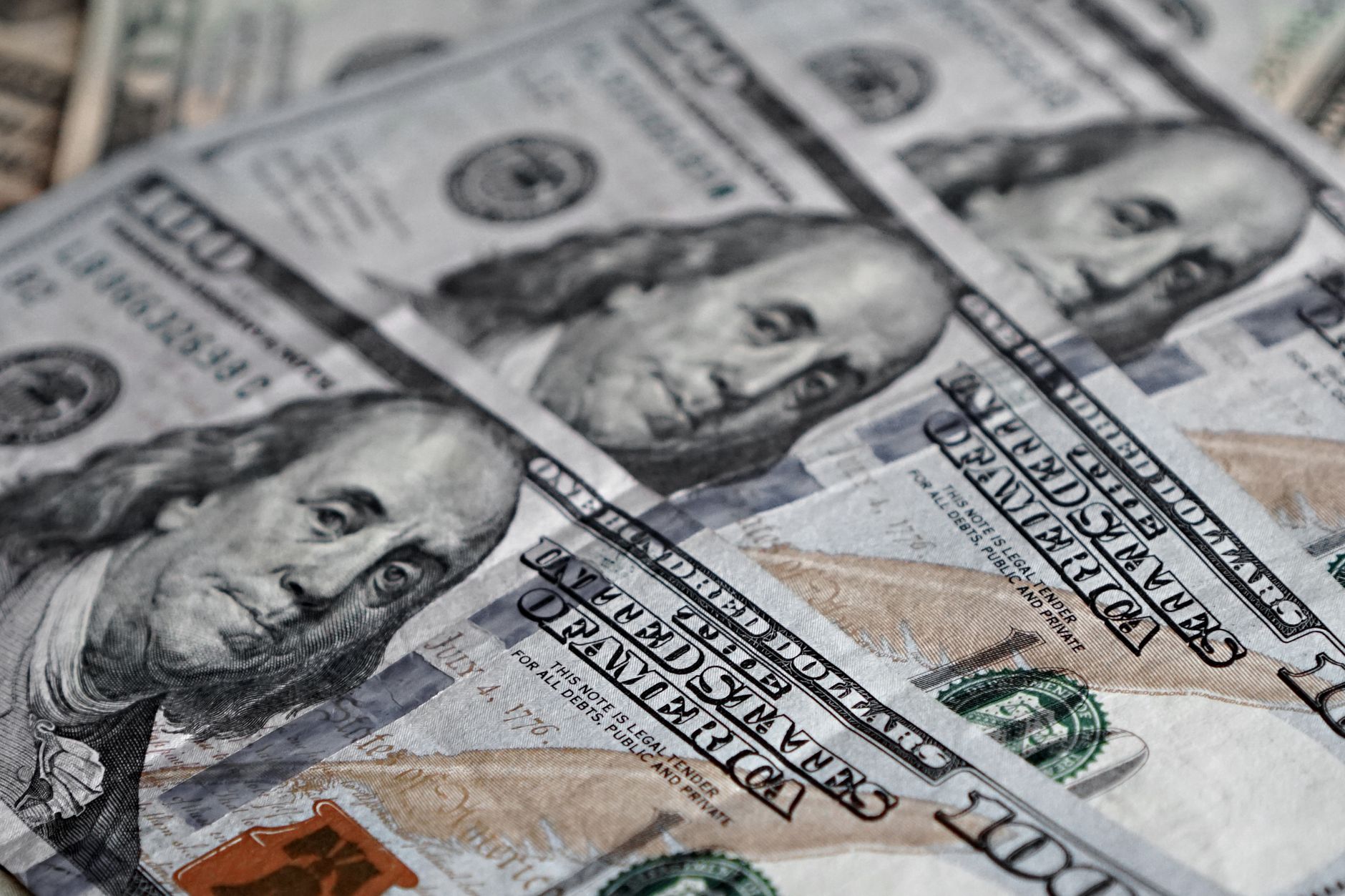
A segment of Venezuela’s business community fears that swapping the bolívar for the U.S. dollar would strip the nation of the ability to devalue its currency, potentially eroding competitiveness, but analysts argue those anxieties are misplaced.
Key Takeaways
- Venezuelan elites worry that dollarization eliminates devaluation tools.
- The perceived loss of devaluation is seen as a threat to export competitiveness.
- Critics label the worries as unfounded, suggesting dollarization could stabilize the economy.
| Metric | Value | Why it matters |
|---|---|---|
| Primary Concern | Loss of ability to devalue the bolívar | Devaluation is traditionally viewed as a lever for export competitiveness. |
| Perceived Risk | Reduced competitiveness in global markets | If exports become pricier, trade balances could suffer. |
| Analyst Verdict | Worries are unfounded | Stabilizing the monetary base may outweigh devaluation benefits. |
What the Debate Centers On
The core of the discussion is whether Venezuela should replace its hyperinflated bolívar with the U.S. dollar. Business leaders argue that a sovereign currency provides a policy tool—devaluation—to adjust relative prices and keep domestic producers competitive abroad.
Why Elites Fear the Loss of Devaluation
In a traditional macro‑economic view, the ability to devalue can make a country’s exports cheaper, attracting foreign buyers and supporting local industries. Venezuelan elites fear that fixing the exchange rate to the dollar would lock prices, removing that flexibility and potentially making the economy less attractive to international trade partners.
Counterpoint: The Unfounded Nature of the Concern
Critics of the elite stance point out that Venezuela’s current monetary environment—characterized by runaway inflation and a collapsing bolívar—has already stripped the country of effective devaluation control. In such a scenario, the nominal ability to adjust the exchange rate offers little practical benefit, while dollarization could bring price stability, lower transaction costs, and restore confidence among investors and consumers.
Historical Belief in Devaluation as a Growth Engine
A lingering belief among some policymakers is that strategic devaluation can act as a catalyst for prosperity. This view persists despite evidence that sustained devaluation often accompanies macro‑economic distress, eroding purchasing power and discouraging long‑term investment. The Venezuelan case illustrates the tension between theory and the harsh realities of a currency in free fall.
Why It Matters
Understanding the elite’s perspective helps traders gauge potential policy shifts that could affect on‑chain activity, cross‑border payments, and the flow of crypto assets into Venezuela. If dollarization proceeds, we may see a surge in stablecoin usage as citizens and businesses seek dollar‑denominated digital alternatives, potentially boosting DeFi TVL (Total Value Locked) linked to Venezuelan participants.
Frequently Asked Questions
What is the main argument of Venezuelan business elites against dollarization?
They argue that replacing the bolívar with the U.S. dollar would eliminate the country’s ability to devalue its currency, which they believe is essential for maintaining export competitiveness.
Why do analysts consider these concerns unfounded?
Because the bolívar’s hyperinflation has already rendered effective devaluation impossible, making the theoretical tool largely irrelevant while dollarization could bring much‑needed price stability.
How could dollarization impact crypto activity in Venezuela?
A shift to the dollar may increase demand for dollar‑pegged stablecoins and DeFi platforms, as users look for reliable, on‑chain ways to store value and conduct transactions.
Is devaluation always a path to prosperity?
Many believe it can be, but the Venezuelan situation highlights that devaluation without macro‑economic stability often fails to deliver lasting growth.
Bottom Line
While Venezuelan elites fear that dollarization would strip away a perceived competitive edge, the reality of a collapsing bolívar means that the ability to devalue is already compromised; adopting the U.S. dollar could instead provide the stability needed for both traditional trade and emerging crypto ecosystems.
Read the original analysis on BeInCrypto
Crypto is highly volatile and risky. This is not financial advice — do your own research.
Reporting based on: original source.


Comments
Post a Comment